
Diabetes Doctor in Longview, TX
Texas Primary Care Associates manages type 2 diabetes for adults at 705 E Marshall Ave in Longview, TX. Care includes regular A1C checks, medication adjustments, GLP-1 medicines when appropriate, and screenings for kidney, eye, foot and heart problems. Appointments and walk-ins Monday–Friday, 8am–5pm.
Accepting new patients. Most major insurance, including BCBS, UnitedHealthcare, Medicare and Ambetter

What does diabetes management include?
Type 2 diabetes is a long-term condition in which the body does not use insulin well, so sugar builds up in the blood. Diabetes management is the regular care that keeps blood sugar in a healthy range and lowers the risk of complications such as heart disease, kidney disease, nerve damage and vision loss.
At Texas Primary Care Associates, diabetes care is ongoing primary care. Your provider tracks your A1C, adjusts your medicines, checks your blood pressure and cholesterol, and makes sure you get the screenings people with diabetes need each year.
- A personal A1C goal and a plan to reach it
- Medicine adjustments, including GLP-1 options when appropriate
- Kidney, foot and eye screening reminders
- Blood pressure and cholesterol care in the same visit

Diabetes care services in Longview
Everything in a diabetes care plan is coordinated by one primary care team.
A1C & lab monitoring
Regular A1C tests plus kidney function and cholesterol labs to track your health.
Diabetes testingMedication management
Starting, adjusting and refilling diabetes medicines, and checking how they work with your other prescriptions.
Med checksGLP-1 medicines
Weekly injections that lower blood sugar and support weight loss for patients who qualify.
GLP-1 optionsBlood pressure & cholesterol
Keeping both in range protects your heart, which diabetes puts at higher risk.
Blood pressure careComplication screening
Foot checks, kidney tests and referrals for a yearly dilated eye exam.
Kidney disease signsWeight & lifestyle support
Practical guidance on food, activity and weight loss that fits your daily life.
Medical weight lossHow diabetes care works at our clinic
Diabetes care is a cycle of checking, adjusting and following up.
Review
Your provider reviews your history, A1C trend, home readings and every medicine you take.
Check
Blood pressure, weight, a foot check and lab work such as A1C and kidney tests when they are due.
Adjust
Together you set goals and change medicines, diet or activity if your numbers are off target.
Follow up
You return on a schedule, often every 3 to 6 months, with refills and referrals handled along the way.
How do common type 2 diabetes medicines compare?
Many people use more than one type of medicine. Your provider recommends options based on your A1C, weight, other conditions and insurance coverage.
| Metformin | GLP-1 medicines | Insulin | |
|---|---|---|---|
| How it helps | Lowers the sugar your liver makes and helps your body use insulin | Helps your body release insulin when blood sugar is high and reduces appetite | Replaces or adds to the insulin your body makes |
| How it is taken | Pill, usually once or twice a day | Most are injections, many once a week; one is a daily pill | Injection, from once a day to several times a day |
| Effect on weight | Neutral or slight loss | Often leads to weight loss | Can cause weight gain |
| Common side effects | Upset stomach or diarrhea, often easing with time | Nausea, vomiting or diarrhea, especially when starting | Low blood sugar and weight gain |
Living well with type 2 diabetes
Type 2 diabetes is manageable. Keeping your A1C near your goal, along with healthy blood pressure and cholesterol, lowers your risk of complications. For many adults the A1C goal is below 7%, but your provider may set a different target based on your age and health.
Yearly checks for people with diabetes
- A1C at least twice a year, more often if treatment changes
- Kidney tests: a urine albumin test and a blood test of kidney function
- A foot exam to check skin, circulation and feeling
- A dilated eye exam, by referral to an eye doctor
- Cholesterol testing and a blood pressure check at every visit
- Vaccines recommended for people with diabetes
Daily habits that make a difference
- Eat regular meals with vegetables, lean protein and whole grains
- Limit sugary drinks and large portions of refined carbohydrates
- Aim for about 150 minutes of moderate activity a week, if your provider agrees
- Check your blood sugar as your provider recommends
- Take medicines as prescribed and report side effects
- Look at your feet every day for cuts or sores
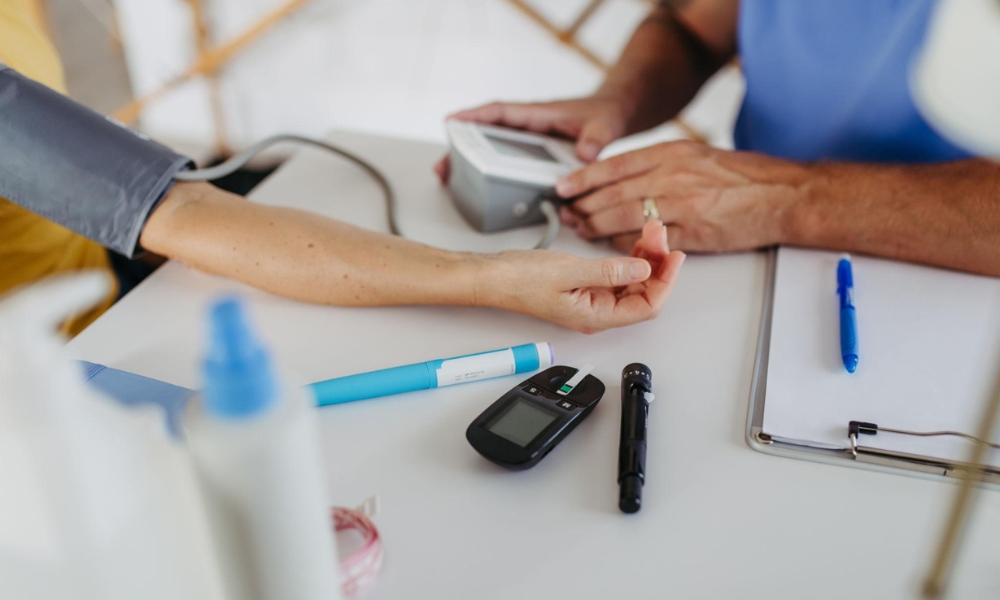
Low blood sugar: what to know
Some diabetes medicines, especially insulin and sulfonylureas, can cause low blood sugar. Signs include shakiness, sweating, a fast heartbeat, hunger and confusion. If your blood sugar is below 70 mg/dL, eat or drink 15 grams of fast-acting sugar, such as 4 ounces of juice, and recheck in 15 minutes. Tell your provider about any low readings.
Insurance and cost
Texas Primary Care Associates accepts most major insurance plans, including Blue Cross Blue Shield, UnitedHealthcare, Medicare and Ambetter. Diabetes visits, lab work and medicines are usually covered with a copay or deductible, and coverage for newer medicines varies by plan. Call to verify your coverage.
Explore related care at our clinic
- A1C & blood sugar testing
- Type 2 diabetes management guide
- Type 2 diabetes symptoms
- Signs of insulin resistance
- Semaglutide & tirzepatide
- Early signs of kidney disease
- Chronic disease care
- Med checks & refills
Sources
- Managing Diabetes, National Institute of Diabetes and Digestive and Kidney Diseases (NIDDK)
- Insulin, Medicines, & Other Diabetes Treatments, NIDDK
- Low Blood Glucose (Hypoglycemia), NIDDK
- Diabetic Foot, MedlinePlus, U.S. National Library of Medicine
- Diabetic Eye Problems, MedlinePlus
Last updated October 9, 2026 by Texas Primary Care Associates.
Your diabetes care team in Longview
The same nurse practitioner and physician follow your diabetes over time and coordinate with specialists when needed.

Gloria Montes
Provides primary care for adults, adolescents and children, with a focus on preventive care and chronic disease management.
NPI 1992375646

Steven Thompson, M.D.
Graduate of New York Medical College, caring for adults with acute illnesses and long-term conditions.
“I have been coming to Texas Primary Care Associate for the past two years, and I’m happy to say Gloria is the best! She is attentive, caring, and she keeps me healthy.”
Kathryn Henderson, Google review. Read more reviewsWhen diabetes is an emergency
Call 911 or go to the nearest ER for:
- Low blood sugar that does not improve after treatment, or passing out
- Confusion, seizures or extreme sleepiness
- Vomiting with very high blood sugar
- Deep or fast breathing, or fruity-smelling breath
- Chest pain or signs of a stroke
Warning signs based on NIDDK: Low Blood Glucose and MedlinePlus: Diabetic ketoacidosis.
Diabetes care questions we hear most
Quick answers about diabetes management at Texas Primary Care Associates.
Still have questions?
Our front desk can answer questions about visits and confirm your insurance before you come in.
Call (903) 230-9811Can a primary care provider manage my diabetes?
Yes. Most people with type 2 diabetes are managed in primary care. Texas Primary Care Associates handles A1C checks, medicines and screenings, and refers you to a specialist if your diabetes is complex.
How often should my A1C be checked?
Usually at least twice a year if your diabetes is stable and at goal, and about every three months if your treatment changes or you are not at goal.
What should my A1C goal be?
For many adults the goal is below 7%. Your provider may set a higher or lower target based on your age, other health conditions and risk of low blood sugar.
Do you prescribe GLP-1 medicines like Ozempic or Mounjaro?
GLP-1 medicines are an option for many adults with type 2 diabetes. Your provider will review whether one is right for you, explain side effects and check your insurance coverage.
Do you check for diabetes complications?
Yes. Care includes kidney tests, foot exams, blood pressure and cholesterol checks, and referrals for a yearly dilated eye exam.
Can you take over my diabetes care from another doctor?
Yes. Bring your medicine list, recent lab results and any blood sugar logs, and your provider will review your history and continue your treatment.
What insurance do you accept for diabetes care?
The clinic accepts most major insurance plans, including Blue Cross Blue Shield, UnitedHealthcare, Medicare and Ambetter. Call (903) 230-9811 to verify your benefits.
Who manages diabetes at your clinic?
Diabetes care is provided by Gloria Montes, FNP, whose focus includes chronic disease management, and Steven Thompson, M.D., who is board certified in internal medicine.
Visit our Longview clinic for diabetes care
Texas Primary Care Associates
705 E Marshall Ave, Suite 3001, Medical Building Plaza #3
Longview, TX 75601
- Mon–Fri
- 8:00am – 5:00pm (walk-ins welcome)
- Sat–Sun
- Closed
- Phone
- (903) 230-9811
- Fax
- (903) 653-1431
Rated 4.7 out of 5 on Google. View on Google Maps
Request an appointment
Send your details and our team will call you to confirm a time.
Please do not include detailed medical information. For emergencies, call 911.
Get your diabetes on track
Texas Primary Care Associates manages type 2 diabetes Monday–Friday, 8am–5pm, at 705 E Marshall Ave in Longview. Call to schedule your visit.