Menopause is a natural phase in a woman’s life that marks the end of her menstrual cycles. It typically occurs between the ages of 45 and 55, but the transition can begin earlier or later, depending on the individual. Understanding menopause symptoms and how to manage them can make this significant life stage more manageable. At Longview Primary Care, we provide supportive care for women going through menopause, helping them navigate the changes with confidence and comfort.
Table of Contents:
- What is Menopause?
- Common Symptoms of Menopause
- The Menopausal Transition: Perimenopause
- Hormone Replacement Therapy (HRT)
- Lifestyle Changes to Ease Menopause Symptoms
- Final Thoughts
What is Menopause?
Menopause is defined as the point in a woman’s life when she has gone 12 consecutive months without a menstrual period. This natural biological process marks the end of fertility and is a result of a decrease in estrogen and progesterone production in the ovaries. While menopause is inevitable, the experience can vary widely from woman to woman. Some women experience few symptoms, while others may encounter a range of physical and emotional changes.
Menopause generally occurs in three stages:
- Perimenopause: The transitional phase leading up to menopause. It can last several years and is characterized by irregular periods and other hormonal fluctuations.
- Menopause: The point when menstruation stops for a year.
- Postmenopause: The years following menopause when symptoms may begin to subside.
Common Symptoms of Menopause
The symptoms of menopause vary but are largely due to hormonal changes. Common symptoms include:
- Hot Flashes: Sudden feelings of heat, often accompanied by sweating and redness, especially in the upper body and face. Hot flashes can occur at any time of day or night.
- Night Sweats: These are hot flashes that happen during sleep and can cause significant discomfort, disrupting rest.
- Irregular Periods: Before menopause, women often experience changes in their menstrual cycle, including missed periods, heavier or lighter flow, and changes in frequency.
- Mood Swings: Fluctuations in estrogen levels can affect mood, leading to irritability, anxiety, or even depression.
- Sleep Problems: Many women experience difficulty falling asleep or staying asleep due to night sweats, discomfort, or anxiety.
- Vaginal Dryness: Reduced estrogen levels can cause thinning and dryness of the vaginal walls, leading to discomfort during sex and an increased risk of infections.
- Memory Problems: Some women report forgetfulness or trouble concentrating during menopause.
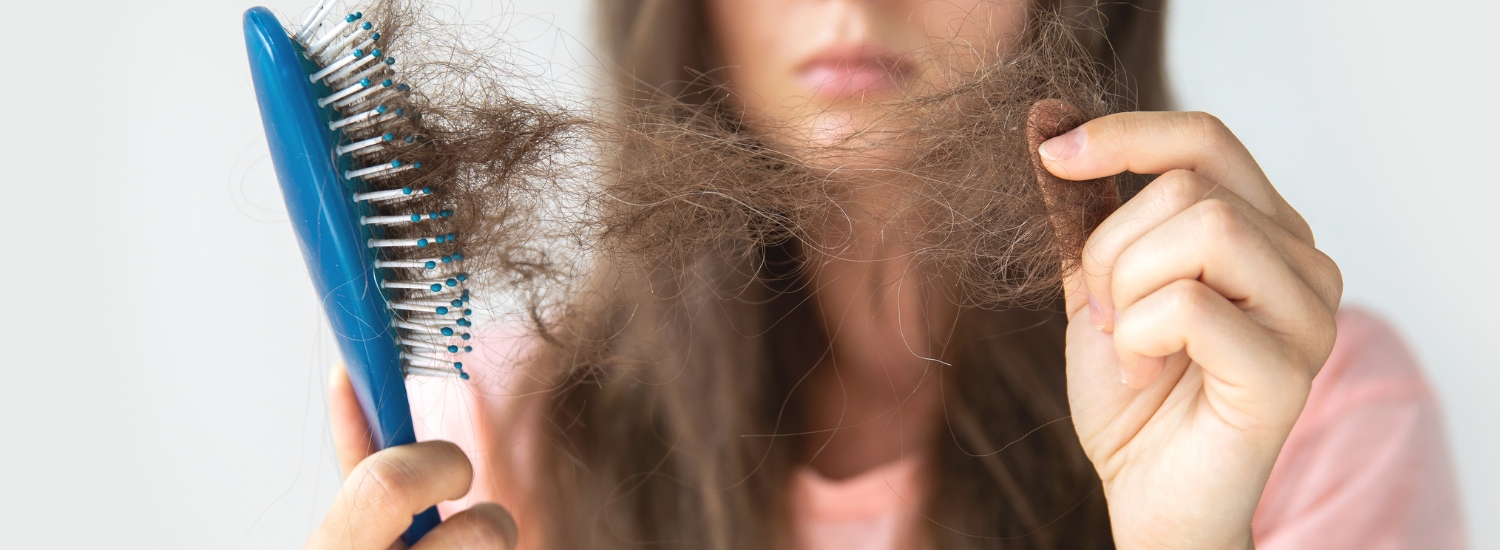
- Changes in Skin and Hair: Hormonal shifts can lead to thinning hair, dry skin, and a decrease in skin elasticity.
- Decreased Libido: A reduction in sexual desire and arousal may occur due to hormonal changes, vaginal dryness, or other factors.
The Menopausal Transition: Perimenopause
Perimenopause, the transitional period before menopause, can begin several years before menopause itself. During this phase, hormonal fluctuations can cause changes in menstruation, mood, and other physical symptoms. Women may experience irregular periods, with cycles becoming longer or shorter and flow becoming heavier or lighter. Perimenopause typically lasts four to five years but can vary.
Although perimenopause is a natural process, some women may experience significant discomfort that requires medical attention. If symptoms such as severe hot flashes, irregular periods, or mood changes become disruptive, it’s important to seek advice from a healthcare provider.
Hormone Replacement Therapy (HRT)
Hormone Replacement Therapy (HRT) is a treatment used to relieve menopause symptoms by replenishing the hormones that the body no longer produces. HRT can be highly effective in alleviating hot flashes, night sweats, mood swings, and vaginal dryness. There are two types of HRT:
- Estrogen-only HRT: Typically prescribed for women who have had a hysterectomy.
- Combined HRT: Contains both estrogen and progesterone and is used for women who have not had a hysterectomy.
While HRT can be beneficial, it is not suitable for everyone. Women with certain health conditions, such as a history of breast cancer, blood clots, or heart disease, should consult their healthcare provider to determine whether HRT is the right choice.
Lifestyle Changes to Ease Menopause Symptoms
In addition to medical treatments, lifestyle changes can significantly reduce menopause symptoms and improve overall well-being. Here are some tips to manage symptoms effectively:
- Maintain a Healthy Diet: A well-balanced diet rich in calcium, vitamin D, and fiber can support bone health and alleviate some menopause symptoms. Avoiding spicy foods, caffeine, and alcohol can help reduce hot flashes and night sweats.
- Exercise Regularly: Physical activity can help manage weight, improve mood, and reduce the severity of hot flashes. Aim for a combination of cardio, strength training, and flexibility exercises.
- Practice Stress Management: Meditation, yoga, and deep breathing exercises can help reduce stress and improve sleep.
- Stay Hydrated: Drinking plenty of water can help manage hot flashes and night sweats and keep your skin hydrated.
- Get Enough Sleep: Prioritize a regular sleep schedule, and create a cool, comfortable sleeping environment to reduce the effects of night sweats.
- Consider Vaginal Moisturizers: For vaginal dryness, over-the-counter lubricants and moisturizers can provide relief during sexual activity.
Final Thoughts
Menopause is a natural part of life that brings a range of physical and emotional changes. While symptoms can be challenging, many treatments and lifestyle changes can help ease the transition. Early management and seeking support from a healthcare provider are essential for making this phase as comfortable as possible.
If you are experiencing menopause symptoms and would like personalized care or treatment options, schedule an appointment with us at Longview Primary Care. Our experienced team is here to guide you through this transition and ensure you live your healthiest life during menopause and beyond.
Disclaimer: The information provided in this blog is for educational purposes only and is not intended as medical advice. It should not be used to diagnose or treat any health condition. Always consult with a qualified healthcare professional for accurate diagnosis and treatment of any symptoms or medical concern. In case of Emergency, please call 911.