Polycystic Ovary Syndrome (PCOS) is a common hormonal disorder affecting women of reproductive age. It can cause a variety of symptoms that may affect a woman’s health, fertility, and overall quality of life. Recognizing the symptoms of PCOS early and understanding available treatments can help manage the condition effectively. At Longview Primary Care, we provide comprehensive care for women with PCOS, helping them manage symptoms and improve their well-being.
Table of Contents:
- What is PCOS?
- Common Symptoms of PCOS
- How PCOS Affects Fertility
- Diagnosis of PCOS
- Treatment Options for PCOS
- Lifestyle Changes to Manage PCOS
- Final Thoughts
What is PCOS?
Polycystic Ovary Syndrome (PCOS) is a condition in which a woman’s ovaries produce higher than normal levels of androgens (male hormones). This hormonal imbalance can interfere with the normal ovulation process, leading to irregular menstrual cycles, cysts on the ovaries, and difficulty getting pregnant. PCOS is one of the leading causes of infertility among women.
Though the exact cause of PCOS is not fully understood, it is thought to be influenced by genetics and environmental factors such as obesity or insulin resistance. Women with PCOS may also have higher levels of insulin in their blood, which can cause an overproduction of androgens.
Common Symptoms of PCOS
The symptoms of PCOS can vary from woman to woman, but some of the most common signs include:
- Irregular Periods: Women with PCOS often experience infrequent or irregular menstrual cycles. This may include periods that are very spaced out or missed altogether.
- Excessive Hair Growth (Hirsutism): Increased levels of androgens can lead to excess hair growth, particularly on the face, chest, abdomen, and back. This condition, known as hirsutism, is common in women with PCOS.
- Acne and Oily Skin: Hormonal imbalances in PCOS can cause skin issues, including acne and excessively oily skin, especially around the chin, jawline, and neck.
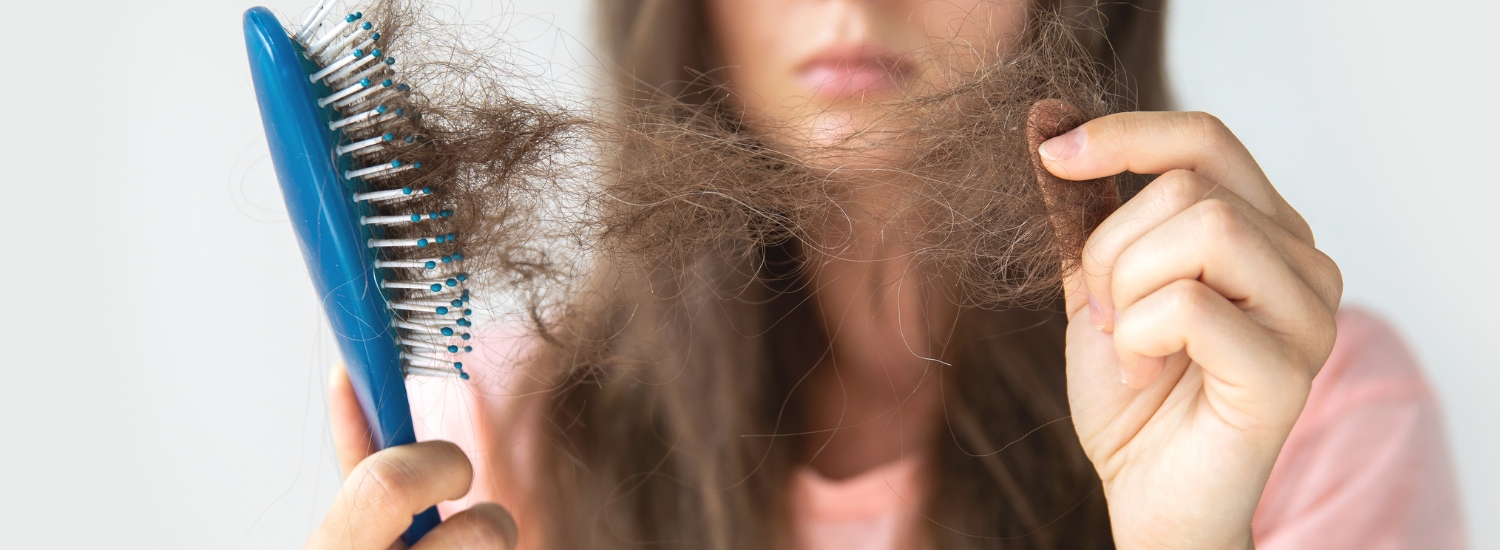
- Thinning Hair: PCOS can cause hair thinning or male-pattern baldness, particularly on the scalp, due to elevated androgen levels.
- Weight Gain and Difficulty Losing Weight: Many women with PCOS experience weight gain or have trouble losing weight. Insulin resistance, a common feature of PCOS, can contribute to difficulty managing weight.
- Infertility: One of the most significant concerns for women with PCOS is infertility. The lack of regular ovulation can make it more difficult to conceive.
- Darkening of the Skin: Dark patches of skin, particularly around the neck, armpits, or groin, may appear in women with PCOS. This condition is known as acanthosis nigricans.
How PCOS Affects Fertility
PCOS is a leading cause of infertility in women, primarily due to irregular or absent ovulation. Women with PCOS may have cysts in their ovaries, which are small fluid-filled sacs that develop when eggs fail to be released. Without regular ovulation, it can be challenging to conceive.
However, many women with PCOS can still become pregnant with appropriate medical intervention. Treatments such as medications that stimulate ovulation (like Clomid or Letrozole), lifestyle changes, and assisted reproductive technologies (like IVF) can help women with PCOS achieve pregnancy.
Diagnosis of PCOS
PCOS is typically diagnosed through a combination of a physical exam, blood tests, and an ultrasound. During the physical exam, a healthcare provider will look for signs of excess hair growth, acne, and weight changes. Blood tests may check hormone levels to identify elevated androgens or insulin resistance. An ultrasound may be used to look for cysts on the ovaries.
A diagnosis of PCOS requires at least two of the following criteria:
- Irregular or absent periods
- Elevated androgen levels (evident in symptoms like hirsutism or acne)
- Polycystic ovaries visible on ultrasound
Treatment Options for PCOS
There is no cure for PCOS, but the symptoms can be managed effectively with a combination of treatments. The goals of treatment are to regulate menstrual cycles, reduce symptoms like excess hair and acne, manage insulin resistance, and address fertility concerns.
- Birth Control Pills: Oral contraceptives are often used to regulate menstrual cycles and reduce symptoms like acne and excessive hair growth. They help to lower androgen levels and balance hormones.
- Medications for Ovulation: For women who are trying to conceive, medications like Clomid or Letrozole may be prescribed to induce ovulation. These medications help stimulate the release of eggs from the ovaries.
- Metformin: If insulin resistance is present, metformin may be prescribed. It helps improve the body’s response to insulin and can aid in weight management and ovulation regulation.
- Anti-Androgen Medications: Medications like spironolactone can help reduce excess hair growth and acne by blocking the effects of androgens.
- Fertility Treatments: For women who have difficulty conceiving, fertility treatments such as in vitro fertilization (IVF) may be an option.
Lifestyle Changes to Manage PCOS
Along with medical treatments, lifestyle changes can significantly improve PCOS symptoms and overall health. Here are some lifestyle modifications that may help:
- Exercise Regularly: Physical activity helps improve insulin sensitivity, which can reduce symptoms of PCOS, such as weight gain and irregular periods.
- Eat a Balanced Diet: A diet rich in whole foods, lean proteins, fruits, vegetables, and healthy fats can help balance hormones and improve overall health. Limiting processed foods and sugars is important for managing insulin resistance.
- Manage Stress: Stress can exacerbate PCOS symptoms, so practices like yoga, meditation, or deep breathing exercises can help manage stress levels.
- Maintain a Healthy Weight: Losing even a small amount of weight (5-10% of your body weight) can help regulate menstrual cycles and improve fertility.
Final Thoughts
PCOS is a complex condition that can affect many aspects of a woman’s life, from fertility to physical appearance and overall health. Early diagnosis and intervention are crucial for managing the symptoms effectively and preventing complications like diabetes or heart disease. If you suspect you may have PCOS or are struggling with symptoms, schedule an appointment with us at Longview Primary Care for personalized care and treatment options.
Disclaimer: The information provided in this blog is for educational purposes only and is not intended as medical advice. It should not be used to diagnose or treat any health condition. Always consult with a qualified healthcare professional for accurate diagnosis and treatment of any symptoms or medical concern. In case of Emergency, please call 911.