
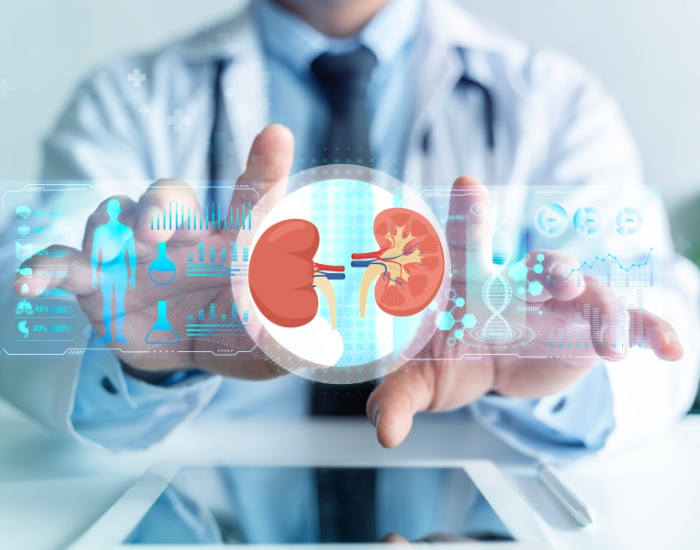
Chronic kidney disease often develops silently over time, and many people do not realize anything is wrong until kidney function has already declined significantly. In the early stages, symptoms can be subtle or easily mistaken for everyday issues such as stress, aging, dehydration, or lack of sleep. This is why kidney disease is often called a “silent condition.”
A patient may begin noticing small changes such as unusual fatigue, mild swelling in the feet, or changes in urination patterns. These symptoms may not feel alarming at first, but they can be early signals that the kidneys are under stress. Without proper evaluation, the condition can progress gradually, sometimes without obvious warning signs.
Understanding these early signs is essential because timely medical attention can slow progression, prevent complications, and protect long-term kidney function. Primary care plays a central role in detecting kidney disease early through routine screening and symptom evaluation.
What Chronic Kidney Disease Means in Simple Terms
Chronic kidney disease is a long-term medical condition where the kidneys gradually lose their ability to filter waste products and excess fluid from the blood. Healthy kidneys perform several important functions, including:
- Filtering toxins and waste from the body
- Maintaining fluid and electrolyte balance
- Supporting healthy blood pressure levels
- Producing hormones that help control red blood cell production
When kidney function declines over time, waste begins to build up in the body. This can affect multiple organ systems and lead to a wide range of symptoms.
In many cases, chronic kidney disease develops slowly due to ongoing health conditions such as diabetes or high blood pressure. Because the progression is gradual, symptoms may not appear until the kidneys are significantly affected.
Early Signs of Chronic Kidney Disease
In early stages, symptoms are often mild and non-specific, which makes them easy to ignore. However, recognizing these changes early can help prevent further kidney damage.
Common early symptoms include:
- Persistent tiredness or low energy levels
- Swelling in the ankles, feet, or hands
- Changes in urination (frequency, color, or volume)
- Foamy or bubbly urine
- Difficulty concentrating or mental “fog”
- Loss of appetite or mild nausea
- Dry or itchy skin
Some individuals may not experience noticeable symptoms at all, especially in early stages. This is why routine blood and urine testing is extremely important for individuals with risk factors.
Causes and Risk Factors
Chronic kidney disease develops when the kidneys are exposed to long-term damage or strain.
Medical causes include:
- Diabetes (leading cause of kidney disease)
- High blood pressure
- Heart disease
- Recurrent kidney infections
- Autoimmune disorders affecting kidney tissue
Risk factors include:
- Family history of kidney disease
- Age above 60
- Obesity or metabolic syndrome
- Smoking history
- Long-term use of pain medications (NSAIDs)
- Poorly controlled blood sugar or blood pressure
When multiple risk factors are present, the likelihood of developing kidney disease increases significantly.
Why Early Symptoms Are Often Overlooked
One of the most challenging aspects of chronic kidney disease is that early symptoms are not specific. Fatigue, for example, can be linked to many harmless causes such as busy schedules or poor sleep. Swelling in the legs may be attributed to long periods of standing or dietary habits.
Additionally, the kidneys are highly resilient organs. They can continue functioning even when partially damaged, which means symptoms often appear late in the disease process. Because of this, many patients only discover the condition during routine medical tests.
When to See a Doctor for Kidney Concerns
Medical attention should be considered if any of the following symptoms persist:
- Swelling in the legs, ankles, or around the eyes
- Ongoing fatigue without clear explanation
- Noticeable changes in urination patterns
- Foamy or unusually dark urine
- Persistent nausea or reduced appetite
- Difficulty concentrating or worsening weakness
Individuals with diabetes, high blood pressure, or a family history of kidney disease should be especially proactive about regular screening, even if symptoms are not present.
How Chronic Kidney Disease Is Diagnosed in Primary Care
Diagnosis typically begins in a primary care setting, where early signs are evaluated through clinical assessment and testing.
Common diagnostic steps include:
- Detailed medical history review
- Physical examination (checking swelling and blood pressure)
- Blood tests to measure kidney function (creatinine, GFR)
- Urine tests to detect protein or abnormalities
- Imaging studies such as kidney ultrasound (if needed)
These tests help determine how well the kidneys are functioning and whether further evaluation or specialist referral is needed.
Stages of Chronic Kidney Disease
Chronic kidney disease is classified into stages based on kidney function:
- Stage 1–2: Mild kidney damage, usually no symptoms
- Stage 3: Moderate decrease in kidney function
- Stage 4: Severe reduction in kidney function
- Stage 5: Kidney failure requiring advanced treatment options such as dialysis
Early stages are the most important for intervention, as progression can often be slowed significantly with proper care.
Treatment and Management Options
While chronic kidney disease cannot always be reversed, early management can slow progression and reduce complications.
Treatment may include:
- Blood pressure control
- Blood sugar management for diabetic patients
- Medication to support kidney function
- Dietary modifications (low sodium, controlled protein intake)
- Lifestyle changes such as weight management and exercise
- Regular monitoring of kidney function
The primary goal is to preserve remaining kidney function and prevent further damage.
Risks of Delayed Treatment
If chronic kidney disease is not detected or managed early, it can progress and lead to serious complications such as:
- Permanent kidney failure
- Fluid buildup in the body
- Difficult-to-control high blood pressure
- Increased risk of heart disease and stroke
- Need for dialysis or kidney transplant in advanced stages
Because progression is often silent, early detection is the most effective way to prevent long-term complications.
Prevention and Kidney Health Tips
Protecting kidney health involves both lifestyle choices and regular medical care.
Helpful prevention strategies include:
- Managing blood pressure and blood sugar levels
- Maintaining a balanced, low-sodium diet
- Staying physically active
- Avoiding excessive use of pain medications
- Staying hydrated appropriately
- Avoiding smoking
- Attending routine primary care checkups
Preventive care is especially important for individuals at higher risk of kidney disease.
Why Primary Care Is Essential for Kidney Health
Primary care providers play a key role in identifying kidney disease early. Many patients first learn about kidney concerns through routine lab work done during annual physical exams or chronic disease monitoring visits.
Early detection allows for timely treatment, which can significantly slow disease progression and improve long-term health outcomes. Regular follow-ups also help manage related conditions such as diabetes and hypertension, which directly impact kidney health.
When to Contact Texas Primary Care Associates
If symptoms such as fatigue, swelling, or changes in urination are present, early evaluation is strongly recommended. Even mild symptoms can indicate underlying kidney stress that requires medical attention.
Timely consultation can help identify the cause and prevent progression before complications develop.
Contact Information
Patients in Longview, TX and surrounding areas can schedule an appointment for evaluation and primary care services:
Address:
705 E Marshall Ave, Suite 3001, Medical Building Plaza #3, Longview, TX 75601
Phone: (903) 230-9811
Fax: (903) 653-1431
Hours:
Mon–Fri: 8:00 AM – 5:00 PM
Sat–Sun: Closed
Early evaluation is the best step toward protecting long-term kidney health and preventing complications.