
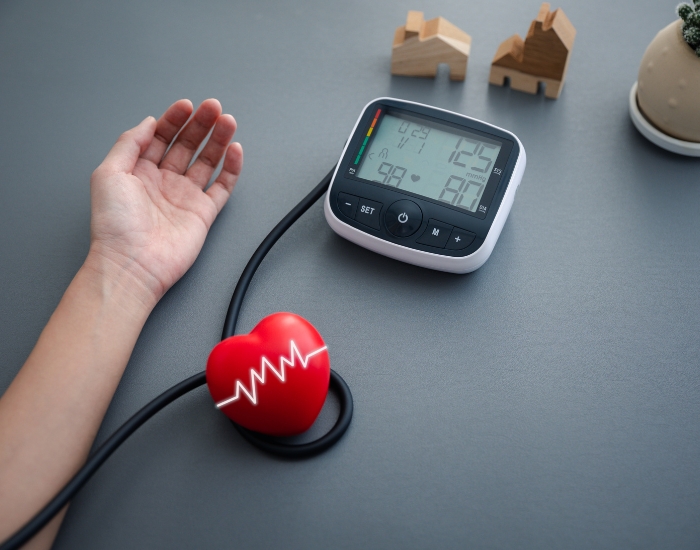
High blood pressure often develops quietly. Many people feel perfectly healthy while their blood pressure slowly rises over months or even years, silently placing extra strain on the heart, brain, kidneys, and blood vessels. Because symptoms usually don’t appear until damage has already begun, hypertension has earned the nickname “the silent killer.”
If you’ve recently been told your blood pressure is high—or you’re wondering whether your headaches, dizziness, or fatigue could be related—you’re certainly not alone. Nearly half of American adults have elevated blood pressure, yet many don’t realize it until it’s discovered during a routine physical or while being evaluated for another health concern. The encouraging news is that high blood pressure is one of the most manageable chronic conditions when it’s identified early and treated consistently.
In this guide, you’ll learn what causes high blood pressure, why it matters even when you feel fine, how to recognize potential warning signs, what treatment options are available, and practical ways to protect your long-term health. Whether you’re looking to prevent hypertension or better control an existing diagnosis, understanding the condition is the first step toward healthier living.
Important Note
High blood pressure doesn’t always announce itself with obvious symptoms. While many cases can be managed successfully through lifestyle changes and medication, untreated hypertension significantly increases the risk of heart attack, stroke, kidney disease, vision loss, and other serious complications. Learning how blood pressure affects your body can help you recognize risks early and make informed decisions about your health.
Table of Contents
- What Is High Blood Pressure?
- Why Is High Blood Pressure Called the Silent Killer?
- Understanding Blood Pressure Numbers
- Can High Blood Pressure Cause Symptoms?
- What Causes High Blood Pressure?
- Who Is Most at Risk?
- How High Blood Pressure Affects Your Body
- How Doctors Diagnose Hypertension
- Treatment Options
- How to Prevent High Blood Pressure
- Managing High Blood Pressure in Longview, TX
- Frequently Asked Questions
What Is High Blood Pressure?
Blood pressure measures the force of blood pushing against the walls of your arteries each time your heart beats. This pressure is essential because it allows oxygen and nutrients to travel throughout your body. However, when the pressure remains consistently too high, your heart must work harder than it should, and your arteries gradually experience damage.
Unlike many illnesses that develop suddenly, hypertension usually progresses slowly. Blood vessels become less flexible over time, making it increasingly difficult for blood to flow efficiently. The heart compensates by pumping harder, creating additional stress on the cardiovascular system.
One elevated blood pressure reading doesn’t necessarily mean you have hypertension. Factors such as stress, anxiety, physical activity, caffeine, or even rushing to an appointment can temporarily raise your numbers. That’s why healthcare providers typically measure blood pressure on multiple occasions before confirming a diagnosis.
Routine monitoring plays an essential role in maintaining long-term health. During a comprehensive annual physical exam, your provider can identify changes early, often before symptoms develop or complications occur.
Why Is High Blood Pressure Called the “Silent Killer”?
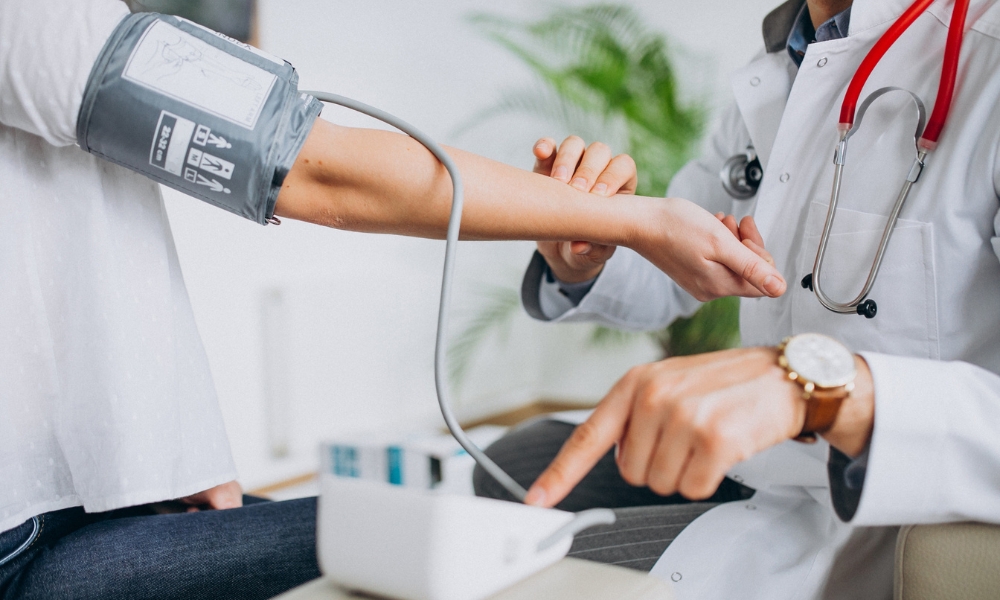
Few medical conditions have earned a nickname as accurate as hypertension. Most people with high blood pressure don’t experience noticeable symptoms for years. They continue working, exercising, raising families, and enjoying everyday life without realizing that excessive pressure is quietly damaging their arteries.
This silent progression explains why many people first learn they have hypertension after experiencing a heart attack, stroke, kidney disease, or another serious medical emergency. In many cases, these complications could have been reduced—or even prevented—with earlier diagnosis and treatment.
Inside the body, persistently elevated blood pressure gradually weakens artery walls. Small injuries develop within blood vessels, encouraging cholesterol buildup and reducing healthy circulation. The heart becomes strained as it works against greater resistance, while organs like the kidneys and brain receive less efficient blood flow.
Even when you feel perfectly healthy, untreated hypertension may already be affecting multiple organs. This is why routine preventive healthcare is so important. Regular visits with a primary care provider allow blood pressure trends to be monitored over time rather than relying on a single reading.
Understanding Blood Pressure Numbers
Blood pressure is recorded using two numbers.
The top number (systolic pressure) measures the pressure inside your arteries when your heart contracts and pumps blood throughout your body.
The bottom number (diastolic pressure) reflects the pressure in your arteries while your heart relaxes between beats.
Generally speaking:
- Normal blood pressure is below 120/80 mmHg.
- Elevated blood pressure falls between normal and hypertension.
- Stage 1 and Stage 2 hypertension indicate progressively higher blood pressure levels that require medical evaluation.
- A hypertensive crisis requires immediate emergency medical attention.
Your healthcare provider doesn’t focus solely on one reading. They also consider your age, medical history, family history, medications, lifestyle, and overall cardiovascular risk before recommending treatment.
People living with diabetes, kidney disease, or heart disease often require closer monitoring because elevated blood pressure can worsen these conditions over time. Comprehensive chronic disease management helps reduce long-term complications by treating the whole patient rather than just one number.
Can High Blood Pressure Cause Symptoms?
One of the biggest misconceptions about hypertension is that you’ll always know when your blood pressure is too high. Unfortunately, that’s rarely true.
Many individuals live with elevated blood pressure for years without experiencing any noticeable warning signs. Others may develop subtle symptoms that are easy to dismiss because they can also occur with stress, dehydration, lack of sleep, or other common conditions.
Some people report:
- Frequent morning headaches
- Episodes of dizziness or lightheadedness
- Blurred vision
- Shortness of breath during normal activities
- Fatigue
- Nosebleeds
- Chest discomfort
- Heart palpitations
It’s important to understand that these symptoms don’t always mean someone has high blood pressure. Likewise, many people with dangerously elevated blood pressure experience none of these symptoms at all.
If you suddenly develop severe chest pain, difficulty speaking, weakness on one side of the body, confusion, vision loss, or severe shortness of breath, seek emergency medical care immediately, as these could indicate a hypertensive emergency or another life-threatening condition.
Important Note
Experiencing headaches or occasional dizziness doesn’t automatically mean you have hypertension, just as feeling completely normal doesn’t guarantee your blood pressure is healthy. Rather than trying to diagnose yourself based on symptoms alone, regular blood pressure screenings provide the most reliable way to understand your cardiovascular health and determine whether further evaluation is needed.
What Causes High Blood Pressure?
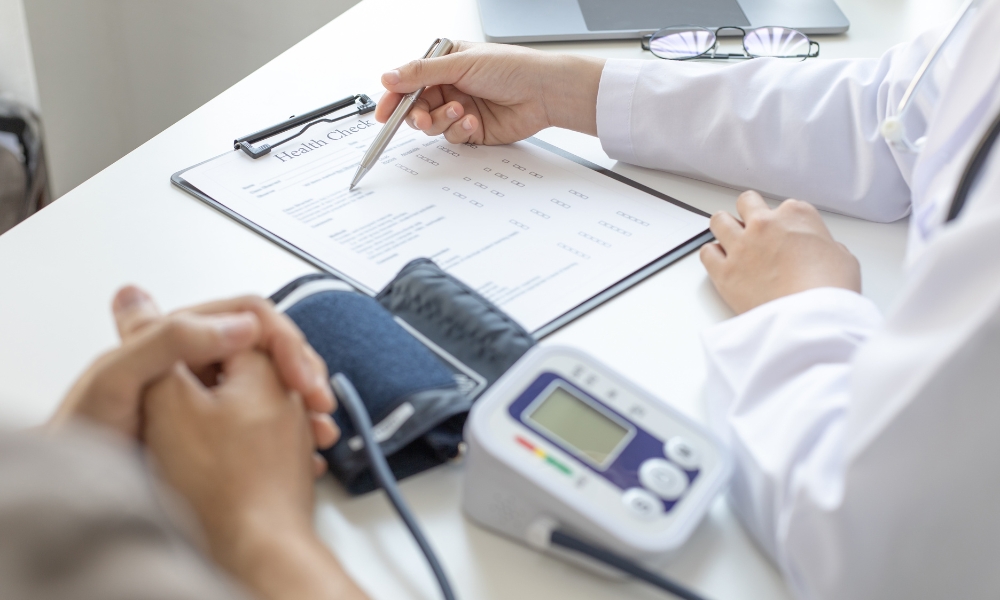
For many adults, there isn’t one single cause of hypertension. Instead, it develops gradually through a combination of genetics, aging, lifestyle habits, and underlying health conditions.
Primary hypertension, the most common type, tends to develop slowly over many years without a clearly identifiable cause. Factors such as excessive sodium intake, obesity, chronic stress, physical inactivity, smoking, poor sleep, and heavy alcohol consumption all contribute to rising blood pressure.
Secondary hypertension develops because of another medical condition or medication. Kidney disease, certain hormonal disorders, thyroid problems, sleep apnea, and some prescription medications may all contribute to elevated blood pressure.
People who already have diabetes often experience hypertension as well. These two conditions frequently occur together and significantly increase the risk of cardiovascular disease. Managing both conditions simultaneously through coordinated care is an important part of long-term health.
Who Is Most at Risk for High Blood Pressure?
Anyone can develop high blood pressure, including young adults who otherwise appear healthy. However, certain factors make hypertension much more likely. Understanding these risks doesn’t mean you’ll definitely develop the condition, but it does help you recognize when regular monitoring becomes especially important.
Age is one of the strongest risk factors. As we get older, our arteries naturally become less flexible, making it more difficult for blood to move through them efficiently. Family history also plays an important role. If one or both of your parents have hypertension, your own risk increases significantly.
Lifestyle choices can have an equally powerful impact. A diet high in sodium and processed foods, limited physical activity, excess body weight, smoking, frequent alcohol consumption, chronic stress, and poor sleep all contribute to rising blood pressure over time. These factors often work together rather than independently, gradually increasing cardiovascular strain.
Certain medical conditions also increase risk, including diabetes, kidney disease, high cholesterol, obstructive sleep apnea, and thyroid disorders. During routine visits with a primary care physician in Longview, these conditions can be monitored together since they often influence one another.
Even if you don’t have obvious risk factors, regular blood pressure screenings remain one of the simplest and most valuable preventive health measures available.
How Uncontrolled High Blood Pressure Can Affect Your Body
One of the biggest dangers of hypertension is that the damage occurs gradually. Blood vessels are designed to withstand normal pressure, but when that pressure remains elevated for months or years, nearly every major organ begins to experience additional stress.
Your heart is often the first organ affected. The heart muscle must pump harder against increased resistance, which can eventually cause it to enlarge and weaken. Over time, this raises the risk of heart attack, heart failure, and abnormal heart rhythms.
The brain is equally vulnerable. High blood pressure damages the delicate arteries that supply oxygen to brain tissue, increasing the likelihood of stroke, memory problems, and vascular dementia later in life.
Your kidneys contain thousands of tiny blood vessels responsible for filtering waste from your bloodstream. Persistent hypertension can damage these filters, reducing kidney function and, in severe cases, leading to chronic kidney disease or kidney failure.
Vision may also be affected. The small blood vessels within the eyes are particularly sensitive to elevated pressure. Damage to these vessels may result in blurred vision or permanent vision loss if hypertension remains uncontrolled.
Blood vessels throughout the body become less elastic over time, increasing the likelihood of aneurysms and peripheral artery disease. Because hypertension affects so many different organs simultaneously, treating it isn’t simply about lowering numbers on a monitor—it’s about protecting your long-term health and preserving your quality of life.
Important Note
Many people become anxious after learning they have high blood pressure. The good news is that hypertension is one of the most treatable chronic conditions. Early diagnosis, consistent monitoring, healthy lifestyle habits, and appropriate medications when necessary can dramatically reduce the risk of serious complications. Small improvements made consistently often produce meaningful long-term benefits.
How Doctors Diagnose High Blood Pressure
Diagnosing hypertension involves much more than a single blood pressure reading. Healthcare providers understand that stress, illness, caffeine, pain, exercise, or even nervousness during a medical appointment can temporarily increase blood pressure.
For this reason, your provider may measure your blood pressure several times during the visit and recommend repeat measurements on different days. In some situations, home blood pressure monitoring or ambulatory blood pressure monitoring over 24 hours provides a more accurate picture of your usual readings.
Your medical history is equally important. Your provider will review your family history, medications, lifestyle habits, previous illnesses, and any symptoms you may be experiencing. Blood tests, urine testing, kidney function evaluation, cholesterol screening, blood sugar testing, and an electrocardiogram (ECG) may also be recommended to assess your overall cardiovascular health.
Routine evaluations through preventive care services often identify elevated blood pressure before symptoms ever develop, allowing treatment to begin early and helping reduce future health risks.
How Is High Blood Pressure Treated?
Treatment depends on several factors, including your blood pressure readings, age, other medical conditions, overall cardiovascular risk, and lifestyle. For many individuals, treatment combines healthy lifestyle changes with medication when necessary.
One of the first recommendations is improving nutrition. Reducing sodium intake while increasing fruits, vegetables, whole grains, lean proteins, and foods rich in potassium can make a measurable difference. Many patients benefit from following the DASH (Dietary Approaches to Stop Hypertension) eating plan, which has been extensively studied for blood pressure control.
Regular physical activity is equally important. Moderate exercise such as brisk walking, cycling, swimming, or strength training helps improve circulation, strengthens the heart, and supports healthy blood pressure. Even 30 minutes of activity on most days of the week can provide meaningful cardiovascular benefits.
Weight management is another key component. Even modest weight loss may significantly improve blood pressure in individuals who are overweight or obese. Healthy weight reduction also lowers the risk of diabetes, heart disease, and sleep apnea.
Some patients require prescription medication. Depending on your individual situation, your provider may recommend diuretics, ACE inhibitors, ARBs, calcium channel blockers, beta blockers, or other medications. Finding the right medication sometimes requires adjustments over time, making regular follow-up appointments especially important.
For patients managing multiple chronic conditions such as hypertension and diabetes, coordinated care provides the best opportunity for long-term success. Services like diabetes management often complement blood pressure treatment because these conditions frequently occur together.
Successful treatment isn’t about achieving perfect numbers overnight. Instead, it focuses on steady improvement, reducing overall cardiovascular risk, and helping patients maintain healthy habits they can continue for years to come.
Can High Blood Pressure Be Prevented?
Although genetics cannot be changed, many cases of hypertension can be delayed—or even prevented—through healthy daily habits. Prevention begins long before symptoms appear.
Choosing nutritious meals, limiting sodium, staying physically active, maintaining a healthy weight, avoiding tobacco, limiting alcohol, managing stress, and getting adequate sleep all contribute to healthier blood pressure. Regular medical checkups remain equally important because they identify changes before permanent damage develops.
Simple habits like checking your blood pressure periodically, taking medications exactly as prescribed, staying hydrated, and keeping follow-up appointments can have a tremendous impact on long-term cardiovascular health.
Managing High Blood Pressure in Longview, TX
If you live in Longview or nearby communities, managing high blood pressure starts with having a trusted primary care provider who understands your overall health—not just your blood pressure readings. Ongoing monitoring allows treatment plans to be adjusted as your needs change while also screening for related conditions such as diabetes, kidney disease, and high cholesterol.
At Texas Primary Care Associates, patients receive comprehensive primary care focused on prevention, early diagnosis, and chronic disease management. Whether you’ve recently been diagnosed with hypertension, need routine monitoring, or want to reduce your future cardiovascular risk, personalized care can help you make informed decisions about your health.
Meet the Providers at Texas Primary Care Associates
Managing high blood pressure often requires more than an occasional office visit—it benefits from a healthcare team that takes the time to understand your medical history, lifestyle, and long-term wellness goals.
Gloria Montes, MSN, BSN, RN, FNP, is a Family Nurse Practitioner with extensive experience caring for adults, children, adolescents, and women. She provides compassionate, patient-centered care and is fluent in both English and Spanish, helping patients better understand their health and treatment options.
Steven Thompson, M.D., is board-certified in Internal Medicine and brings decades of clinical experience, including emergency medicine and military medical service. His broad medical background supports comprehensive evaluation and long-term management of chronic conditions such as hypertension.
Frequently Asked Questions
Can stress alone cause high blood pressure?
Stress can temporarily raise blood pressure, but chronic hypertension usually develops from multiple factors, including genetics, lifestyle, aging, and underlying health conditions.
Can I lower my blood pressure without medication?
Some people with mildly elevated blood pressure can improve their numbers through healthy eating, exercise, weight loss, stress management, and reducing sodium intake. Others may still require medication depending on their overall cardiovascular risk.
How often should I check my blood pressure?
This depends on your health history. People diagnosed with hypertension may need frequent home monitoring, while healthy adults should have their blood pressure checked during regular preventive healthcare visits.
What foods help lower blood pressure?
Fruits, vegetables, whole grains, beans, fish, low-fat dairy products, nuts, and foods rich in potassium can support healthy blood pressure when combined with reduced sodium intake.
When should I seek emergency medical care?
Seek immediate medical attention if severely elevated blood pressure is accompanied by chest pain, difficulty breathing, sudden weakness, confusion, vision changes, severe headache, or difficulty speaking.
Final Thoughts
High blood pressure may develop silently, but its effects on the body can be significant if left untreated. The encouraging news is that hypertension is highly manageable with early detection, consistent monitoring, healthy lifestyle choices, and individualized medical care. Regular blood pressure checks, routine preventive visits, and ongoing communication with your healthcare provider can greatly reduce your risk of heart disease, stroke, kidney disease, and other serious complications. Taking action today can make a meaningful difference in your long-term health and quality of life.