
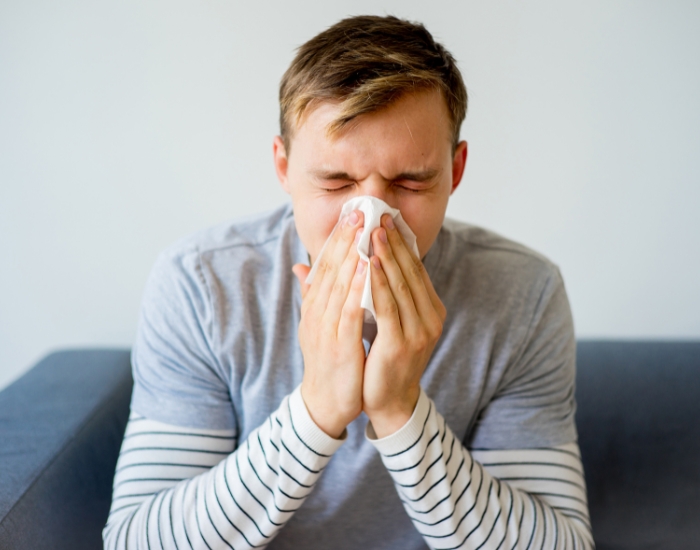
You wake up with a stuffy nose, a scratchy throat, and a lingering cough. As the day goes on, you start wondering: Is this just seasonal allergies, the common cold, the flu, or could it be COVID-19? It’s a question many people ask, especially during the fall, winter, and spring months when respiratory illnesses and allergies often overlap. Because many of these conditions share similar symptoms, it isn’t always easy to know what’s causing you to feel unwell.
Although a runny nose or congestion might seem minor at first, the right diagnosis matters. Allergies are not contagious and usually require a different treatment approach than viral infections like the common cold, influenza, or COVID-19. Misinterpreting your symptoms may delay proper treatment, increase your discomfort, or even expose others if you’re carrying a contagious illness.
The good news is that understanding a few key differences can help you recognize when home care may be enough, when you should schedule a same-day sick visit, and when testing for influenza or COVID-19 is appropriate.
In this guide, we’ll compare the symptoms of seasonal allergies, the common cold, influenza, and COVID-19, explain why these illnesses are so often confused, and discuss when it’s time to seek medical care at Texas Primary Care Associates in Longview, TX.
Important Note
Many respiratory illnesses begin with similar symptoms, making it difficult to identify the cause based on one sign alone. While some conditions improve with rest and supportive care, others benefit from early testing or medical evaluation. Paying attention to how your symptoms develop—and seeking care when they worsen or don’t improve—can help prevent complications and protect those around you.
Table of Contents
- Why These Conditions Are Often Confused
- How Your Body Responds to Allergies and Viral Illnesses
- Understanding Seasonal Allergies
- Understanding the Common Cold
- Understanding Influenza (Flu)
- Understanding COVID-19
- Comparing the Symptoms
- When Should You Get Tested?
- When to Visit a Walk-In Clinic
- When to Seek Emergency Care
- Care at Texas Primary Care Associates
- Frequently Asked Questions
Why Are Allergies, Colds, the Flu, and COVID-19 So Easy to Confuse?
One of the biggest reasons these conditions are mistaken for one another is that they affect many of the same parts of the body. Whether the cause is pollen, a virus, or another infectious organism, your nose, throat, and respiratory system often respond with inflammation. As a result, symptoms such as congestion, coughing, sneezing, sore throat, and fatigue may occur in several different illnesses.
The time of year also contributes to the confusion. In East Texas, seasonal allergies often peak during the spring and fall, while cold, flu, and COVID-19 cases tend to increase during the cooler months. It’s entirely possible for allergy season and respiratory virus season to overlap, making it even harder to determine the cause of your symptoms without medical evaluation.
Another challenge is that each person’s immune system responds differently. One individual may develop only mild congestion from COVID-19, while another experiences fever and severe fatigue. Similarly, someone with seasonal allergies may have significant nasal congestion but feel otherwise healthy.
Instead of focusing on a single symptom, healthcare providers evaluate the overall pattern of symptoms, how quickly they developed, whether you’ve been exposed to someone who’s ill, and whether symptoms improve or worsen over time.
How Your Body Responds to Allergies and Viral Illnesses
Although allergies and viral infections can produce similar symptoms, the underlying causes are completely different.
Seasonal allergies occur when your immune system mistakenly identifies harmless substances—such as pollen, mold spores, or pet dander—as dangerous. In response, it releases chemicals like histamine, leading to sneezing, itchy eyes, nasal congestion, and a runny nose. Importantly, allergies are not contagious. You cannot “catch” allergies from another person.
Colds, influenza, and COVID-19, on the other hand, are caused by viruses. These infections occur when viruses enter the body and begin multiplying inside your respiratory tract. Your immune system responds by fighting the infection, producing symptoms such as fever, body aches, sore throat, cough, and fatigue. Unlike allergies, these illnesses can spread from person to person through respiratory droplets and close contact.
Understanding this difference helps explain why allergy medications often improve allergy symptoms but do little to treat viral infections.
Seasonal Allergies: What Do They Feel Like?
Seasonal allergies—also known as allergic rhinitis or hay fever—are extremely common throughout East Texas because of high pollen counts, mold spores, and other environmental allergens. Symptoms often begin shortly after exposure to an allergen and may continue for days or even weeks as long as exposure persists.
Unlike viral illnesses, allergy symptoms tend to remain fairly consistent rather than progressing through different stages. Many people notice their symptoms worsen after spending time outdoors, mowing the lawn, gardening, or being around known allergy triggers.
Common symptoms of seasonal allergies include:
- Frequent sneezing.
- Clear, runny nose.
- Nasal congestion.
- Itchy eyes.
- Watery eyes.
- Itchy nose, ears, or throat.
- Postnasal drip.
- Mild cough caused by throat irritation.
One important clue is what usually isn’t present. Allergies rarely cause a fever, chills, or significant body aches. If you’re experiencing these symptoms, a viral illness becomes much more likely.
Persistent allergy symptoms that interfere with work, school, sleep, or daily activities should be evaluated. Identifying your allergy triggers through allergy testing can help guide more personalized treatment.

The Common Cold: Mild but Still Unpleasant
The common cold is one of the most frequent reasons people visit a primary care clinic. It’s caused by one of many different viruses and generally develops gradually over one to three days after exposure.
Unlike allergies, a cold is contagious and often spreads among family members, coworkers, classmates, or anyone in close contact. Most colds improve within seven to ten days, although a lingering cough may last a bit longer.
Typical cold symptoms include:
- Runny or stuffy nose.
- Sore throat.
- Sneezing.
- Mild cough.
- Low-grade fever (occasionally).
- Mild fatigue.
- Headache.
While some overlap exists between colds and allergies, itching of the eyes and nose is far more common with allergies. Fever is also much less common with allergies than with viral infections.
For most healthy adults, a cold improves with rest, hydration, and supportive care. However, if symptoms persist longer than expected, become significantly worse, or are accompanied by difficulty breathing or high fever, medical evaluation is recommended to rule out influenza, COVID-19, pneumonia, or other conditions.
Influenza (Flu): Symptoms Often Come on Quickly
Unlike the common cold, which usually develops gradually, influenza often seems to appear out of nowhere. Many people describe feeling perfectly fine one day and then waking up the next morning with a high fever, chills, body aches, and overwhelming fatigue. The flu is caused by influenza viruses and is highly contagious, spreading easily through respiratory droplets when an infected person coughs, sneezes, or talks.
Flu symptoms tend to be more intense than those of a typical cold and can interfere with work, school, and daily activities for several days.
Common symptoms of influenza include:
- Sudden fever.
- Chills.
- Body aches and muscle pain.
- Headache.
- Extreme fatigue.
- Dry cough.
- Sore throat.
- Runny or stuffy nose.
- Occasionally nausea, vomiting, or diarrhea (more common in children).
Most healthy adults recover within a week or two, but influenza can lead to serious complications, particularly in older adults, young children, pregnant women, and individuals with chronic medical conditions such as diabetes, heart disease, or asthma. Early medical evaluation may help determine whether antiviral medication is appropriate, especially when symptoms begin suddenly.
COVID-19: Symptoms Can Vary Widely
COVID-19 continues to circulate and remains an important consideration whenever respiratory symptoms develop. One of the reasons COVID-19 can be difficult to recognize is that its symptoms range from very mild to severe. Some individuals experience only congestion or a sore throat, while others develop high fever, persistent cough, significant fatigue, or breathing difficulties.
COVID-19 shares many symptoms with both influenza and the common cold, which is why testing is sometimes necessary to determine the cause.
Possible COVID-19 symptoms include:
- Fever or chills.
- Cough.
- Sore throat.
- Runny or congested nose.
- Body aches.
- Fatigue.
- Headache.
- Loss or change in taste or smell (less common than earlier variants but still possible).
- Nausea, vomiting, or diarrhea.
- Shortness of breath in more serious cases.
Because COVID-19 symptoms overlap with several other illnesses, testing may be recommended based on your symptoms, recent exposures, medical history, and local disease activity. Identifying COVID-19 early can help guide treatment decisions and reduce the risk of spreading the virus to family members, coworkers, and others.
How Do the Symptoms Compare?
Although allergies, the common cold, influenza, and COVID-19 share several symptoms, there are important differences that healthcare providers look for during an evaluation.
Fever
One of the biggest clues is whether you have a fever. Seasonal allergies almost never cause fever because they are an immune response to allergens—not an infection. Fever is much more common with influenza and COVID-19 and may occasionally occur with a cold.
Itchy Eyes and Nose
Persistent itching of the eyes, nose, ears, or throat strongly suggests allergies. Viral illnesses may cause irritation, but significant itching is much less common.
Sneezing
Sneezing is one of the hallmark symptoms of allergies and is also common with colds. It tends to occur less frequently with influenza and COVID-19.
Body Aches
Mild body aches sometimes accompany a cold, but severe muscle aches are much more characteristic of influenza and can also occur with COVID-19. Allergies generally do not cause body aches.
Fatigue
People with allergies may feel tired because congestion disrupts sleep, but influenza and COVID-19 often cause profound exhaustion that feels much more intense and persistent.
Duration
Seasonal allergies may continue for weeks or months if allergen exposure persists. Colds usually improve within seven to ten days, while influenza and COVID-19 vary depending on the individual and the severity of illness.
When Symptoms Overlap, Don’t Rely on Guesswork
Many patients try to diagnose themselves based on a single symptom. Unfortunately, that approach often leads to confusion because respiratory illnesses don’t always follow a textbook pattern. For example, someone with COVID-19 may never develop a fever, while another person with seasonal allergies may experience enough congestion and fatigue to assume they have a viral infection.
Instead of focusing on one symptom, healthcare providers consider the complete clinical picture, including:
- When symptoms started.
- How quickly they developed.
- Whether you’ve recently been exposed to someone who was ill.
- If symptoms are getting better or worse.
- Your age and medical history.
- Whether you have chronic conditions that increase your risk for complications.
This comprehensive evaluation helps determine whether supportive care, additional testing, prescription medication, or further monitoring is appropriate.
Important Note
It’s understandable to wonder if your symptoms are “just allergies,” especially if you’ve experienced seasonal allergies in the past. However, if your symptoms suddenly change, become more severe, include fever, significant body aches, or difficulty breathing, it’s important not to assume allergies are the cause. A timely medical evaluation can help identify contagious illnesses, guide appropriate treatment, and reduce the risk of complications.
When Should You Get Tested?
Testing isn’t necessary for every runny nose or cough, but it can be extremely helpful when symptoms are consistent with influenza or COVID-19, particularly if treatment decisions or preventing transmission to others is a concern.
Your healthcare provider may recommend testing if:
- You develop a sudden fever with body aches.
- You’ve been exposed to someone with influenza or COVID-19.
- Your symptoms are moderate or severe.
- You have a weakened immune system or chronic medical condition.
- Your symptoms aren’t improving as expected.
- Your diagnosis remains unclear after a physical examination.
Rapid testing can often help distinguish between different viral illnesses, allowing your provider to recommend the most appropriate next steps. If your symptoms are caused by allergies rather than an infection, an allergy evaluation may also be recommended to identify environmental triggers and develop a personalized treatment plan.
When Should You Visit a Walk-In Clinic or Primary Care Provider?
Many cases of allergies, the common cold, influenza, and COVID-19 can be managed safely at home with rest, hydration, and over-the-counter medications. However, there are times when professional medical evaluation is the safest choice. Knowing when to seek care can help you recover sooner and reduce the risk of complications.
A same-day visit to a healthcare provider is a good idea if your symptoms are persistent, worsening, or making it difficult to carry out your normal daily activities.
Consider scheduling a same-day sick visit if you experience:
- Symptoms lasting longer than 7–10 days without improvement.
- A fever that persists or returns after initially improving.
- Significant sinus pressure or facial pain.
- A severe sore throat or difficulty swallowing.
- A cough that becomes progressively worse.
- Persistent nasal congestion that isn’t responding to home treatment.
- Shortness of breath that is mild but concerning.
- Symptoms that keep you from working, attending school, or sleeping.
At Texas Primary Care Associates, patients can receive evaluation for a variety of acute respiratory illnesses through our Walk-In Clinic and Acute Symptoms services. We also provide flu testing, evaluation of cold and COVID-like symptoms, and allergy assessments—all in one convenient location.
When Should You Go to the Emergency Room?
While most respiratory illnesses don’t require emergency care, certain warning signs should never be ignored. These symptoms may indicate a more serious infection or complication that requires immediate medical attention.
Seek emergency medical care or call 911 immediately if you experience:
- Difficulty breathing or severe shortness of breath.
- Persistent chest pain or pressure.
- Confusion or difficulty staying awake.
- Bluish lips or face.
- High fever that doesn’t respond to medication.
- Signs of severe dehydration, such as dizziness or inability to keep fluids down.
- Symptoms that rapidly worsen despite treatment.
If you’re unsure whether your symptoms require emergency care or a same-day clinic visit, it’s always safest to contact a healthcare professional for guidance.
How Allergy Evaluation and Flu Testing Can Help
Because allergies, colds, influenza, and COVID-19 often share similar symptoms, testing and professional evaluation can remove much of the uncertainty. Rather than guessing which illness you have, your provider can assess your symptoms, review your medical history, and recommend appropriate testing when needed.
If influenza is suspected, rapid flu testing may help confirm the diagnosis and determine whether antiviral treatment is appropriate. If COVID-19 is a concern, testing can help guide isolation recommendations and treatment decisions.
For patients who experience recurring sneezing, itchy eyes, congestion, or symptoms that return every year, allergy testing can identify environmental triggers such as pollen, mold, dust mites, or pet dander. Knowing exactly what triggers your symptoms allows for a more personalized treatment plan instead of relying on trial and error with medications.
Simple Ways to Help Prevent Respiratory Illnesses
Although you can’t completely eliminate your risk of allergies or viral infections, healthy habits can significantly reduce your chances of becoming sick or experiencing severe symptoms.
- Wash your hands regularly with soap and water.
- Avoid close contact with people who are ill whenever possible.
- Cover your mouth and nose when coughing or sneezing.
- Stay home when you’re sick to help prevent spreading illness.
- Keep up with recommended vaccinations, including annual flu vaccines when appropriate.
- Stay well hydrated and eat a balanced diet.
- Get enough sleep to support your immune system.
- Monitor local pollen counts if you have seasonal allergies.
- Keep windows closed during periods of high pollen levels.
- Follow your allergy treatment plan if you’ve been diagnosed with environmental allergies.
These everyday practices not only help reduce your risk of viral infections but can also minimize allergy flare-ups throughout the year.
Important Note
Not every cough, sneeze, or runny nose requires emergency care—but you also shouldn’t ignore symptoms that persist, worsen, or significantly affect your daily life. If you’re uncertain whether you’re dealing with allergies or an illness such as the flu or COVID-19, a prompt medical evaluation can provide answers, appropriate treatment, and peace of mind.
Convenient Respiratory Care at Texas Primary Care Associates in Longview, TX
Whether you’re dealing with seasonal allergies, a lingering cold, influenza symptoms, or concerns about COVID-19, the team at Texas Primary Care Associates is here to help. We provide comprehensive evaluations for a wide range of respiratory illnesses and allergy-related concerns, helping patients receive the right diagnosis and treatment without unnecessary delays.
Our practice offers Primary Care, same-day care for Acute Symptoms, Allergy Testing, preventive healthcare, and ongoing management of chronic conditions—all designed to support your health throughout the year.
If you’re unsure whether your symptoms are caused by allergies or an infection, our healthcare team can perform a thorough evaluation, recommend appropriate testing when indicated, and develop a treatment plan based on your individual needs.
To learn more about our services or schedule an appointment, visit our Services page or Contact Us today.
Meet the Providers at Texas Primary Care Associates
Gloria Montes, MSN, BSN, RN, FNP, provides compassionate, patient-focused care for children, adolescents, adults, and women. Her experience in primary care allows her to evaluate acute illnesses, diagnose respiratory conditions, manage allergies, and develop individualized treatment plans. As a bilingual provider fluent in English and Spanish, she is committed to helping patients feel informed and supported throughout their healthcare journey.
Steven Thompson, M.D., is board-certified in Internal Medicine and brings decades of experience in emergency medicine and primary care. His extensive clinical background enables him to diagnose and manage a broad range of acute respiratory illnesses while ensuring patients receive timely, evidence-based care.
Frequently Asked Questions
How can I tell if it’s allergies or a cold?
Allergies commonly cause sneezing, itchy eyes, itchy nose, and clear nasal drainage without fever. Colds are contagious and usually include sore throat, congestion, mild fatigue, and symptoms that improve within about a week.
Do allergies cause fever?
No. Seasonal allergies generally do not cause fever. If you develop a fever, influenza, COVID-19, or another infection is more likely and should be considered.
How do flu symptoms differ from a cold?
Influenza usually begins suddenly with fever, chills, body aches, headache, and significant fatigue. A cold typically develops more gradually and causes milder symptoms.
Can COVID-19 feel like allergies?
Yes. Mild COVID-19 can resemble allergies or a cold, especially in the early stages. If you’re unsure about your symptoms or have been exposed to someone with COVID-19, medical evaluation and testing may be appropriate.
When should I get tested for the flu or COVID-19?
Testing may be recommended if you develop fever, body aches, persistent cough, have been exposed to someone with influenza or COVID-19, or if your healthcare provider believes testing will help guide treatment.
Should I see a doctor if my allergy medicine isn’t working?
Yes. Persistent symptoms despite medication may indicate uncontrolled allergies, another underlying condition, or the need for allergy testing to identify specific triggers.
Can one clinic evaluate allergies, the flu, and COVID-19?
Yes. Texas Primary Care Associates provides evaluation for seasonal allergies, acute respiratory illnesses, flu testing, and comprehensive primary care services, making it convenient to receive appropriate care in one location.