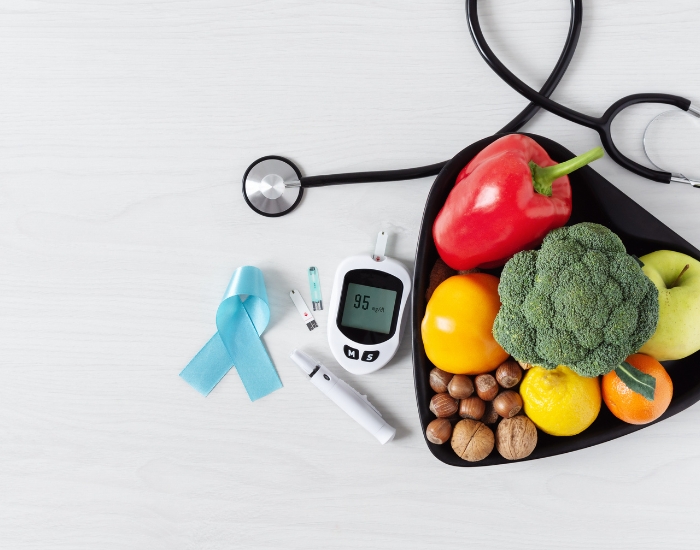
Unexplained changes in body weight can be concerning, especially when they occur rapidly without intentional changes in diet or activity level. Sudden weight gain or weight loss is often more than just a cosmetic issue, as it may reflect underlying medical conditions that require attention. Understanding Sudden Weight Gain or Weight Loss Causes is essential for identifying whether these changes are related to metabolic, hormonal, psychological, or systemic health conditions. While minor fluctuations in weight are normal, significant or persistent changes may indicate deeper health concerns that should not be ignored.
Table of Contents
- What Is Sudden Weight Gain or Weight Loss
- Common Causes of Sudden Weight Gain or Weight Loss
- Symptoms
- Additional Warning Signs
- When to See a Doctor for Sudden Weight Gain or Weight Loss
- Diagnosis
- Treatment and Prevention
- Recommended Clinic in Longview
- Conclusion
- FAQs
What Is Sudden Weight Gain or Weight Loss?
Sudden weight gain or weight loss refers to a noticeable change in body weight over a short period, typically without intentional effort. These changes may occur over weeks or even days and often raise concern when they are significant or unexplained.
From a clinical perspective, Sudden Weight Gain or Weight Loss Causes are considered symptoms rather than diagnoses. They can result from disruptions in metabolism, hormonal imbalances, fluid retention, or psychological factors. Because body weight is influenced by multiple systems in the body, identifying the exact cause requires careful medical evaluation.
Common Causes of Sudden Weight Gain or Weight Loss
There are numerous factors that contribute to rapid changes in body weight. One of the most common explanations for sudden weight gain is fluid retention. Conditions affecting the heart, kidneys, or liver can cause the body to retain fluid, leading to noticeable weight increase over a short time.
Hormonal imbalances are another major contributor. Thyroid disorders, such as hypothyroidism or hyperthyroidism, can significantly affect metabolism. These are among the most recognized Sudden Weight Gain or Weight Loss Causes in adults.
Unintentional weight loss is often linked to conditions such as diabetes, chronic infections, or gastrointestinal disorders that interfere with nutrient absorption. In some cases, weight loss may be associated with more serious conditions such as cancer.
Mental health conditions also play a role. Depression, anxiety, and stress can alter appetite and eating patterns, contributing to weight changes.
Medication side effects are another factor. Certain drugs can increase appetite, cause fluid retention, or alter metabolism, leading to noticeable weight fluctuations.
Symptoms
The symptoms associated with sudden weight changes vary depending on the underlying cause. Rapid weight gain may be accompanied by swelling in the legs, abdomen, or face, suggesting fluid retention.
On the other hand, unexplained weight loss may be associated with fatigue, weakness, or decreased appetite. In some cases, individuals may experience digestive issues such as nausea or diarrhea.
Hormonal-related Sudden Weight Gain or Weight Loss Causes may present with additional symptoms such as temperature sensitivity, hair changes, or irregular sleep patterns.
In more serious conditions, symptoms such as persistent pain, fever, or night sweats may accompany weight changes, indicating the need for immediate medical evaluation.
Additional Warning Signs
Certain warning signs should never be ignored. Rapid weight gain accompanied by shortness of breath or swelling may indicate heart or kidney issues.
Unintentional weight loss combined with fatigue, persistent cough, or changes in bowel habits may suggest more serious underlying conditions.
Sudden changes in appetite, ongoing nausea, or difficulty eating are also concerning signs. These symptoms may point to significant Sudden Weight Gain or Weight Loss Causes that require prompt medical attention.
When to See a Doctor for Sudden Weight Gain or Weight Loss
Medical evaluation is recommended when weight changes are rapid, unexplained, or persistent. Any noticeable change without a clear cause should be assessed.
It is especially important to seek care when weight changes are accompanied by other symptoms such as fatigue, swelling, or digestive problems. Early evaluation helps identify underlying conditions and prevent complications.
Delaying medical attention may allow potentially treatable conditions to worsen over time.
Diagnosis
Diagnosis begins with a detailed medical history and physical examination. Physicians assess dietary habits, lifestyle changes, and associated symptoms.
Laboratory tests may include blood work to evaluate thyroid function, blood sugar levels, and organ function. Imaging studies may be used when internal conditions are suspected.
In some cases, specialized testing may be required to identify specific Sudden Weight Gain or Weight Loss Causes. Accurate diagnosis ensures appropriate and effective treatment.
Treatment and Prevention
Effective management begins with identifying the root cause of the weight change and addressing it directly. Physicians actively tailor treatment plans based on the specific condition affecting the patient.
For fluid retention–related weight gain, doctors may prescribe diuretics to help remove excess fluid from the body. At the same time, patients are encouraged to reduce sodium intake, elevate their legs when possible, and stay physically active to improve circulation. These steps help the body regulate fluid balance more efficiently.
When hormonal imbalances are involved, such as thyroid disorders, healthcare providers use medications to restore normal hormone levels. Patients may also need regular monitoring to ensure the treatment remains effective and properly adjusted over time.
In cases of unintentional weight loss, clinicians focus on restoring nutritional balance. This may include developing a structured meal plan, addressing underlying digestive or metabolic conditions, and, when necessary, providing supplements to support recovery. Treating the root illness plays a critical role in stabilizing weight.
Mental health-related weight changes require a comprehensive approach. Patients benefit from therapy, stress management techniques, and lifestyle adjustments that promote emotional well-being. Addressing anxiety, depression, or chronic stress can significantly improve appetite regulation and overall health.
Preventive care plays an equally important role. Individuals can maintain a stable weight by following a balanced diet rich in nutrients, engaging in regular physical activity, staying hydrated, and attending routine medical check-ups. Monitoring changes early allows for timely intervention and reduces the risk of complications associated with Sudden Weight Gain or Weight Loss Causes.
Recommended Clinic in Longview
If you are experiencing sudden or unexplained changes in your weight, it is important to seek medical evaluation without delay, as underlying Sudden Weight Gain or Weight Loss Causes may indicate hormonal imbalance, metabolic conditions, or other health concerns. Early diagnosis can help prevent complications and support effective treatment. You can receive comprehensive care at Texas Primary Care Associate, where experienced providers focus on identifying root causes and creating personalized care plans. Call (903) 230-9811 or visit 705 E Marshall Ave, Ste 3001, Building Plaza 3, Longview, TX 75601 for expert medical support. Schedule online today for convenient appointment booking and timely care.
Conclusion
Sudden changes in body weight should never be overlooked, especially when they occur without a clear explanation. The Sudden Weight Gain or Weight Loss Causes can range from manageable lifestyle factors to more serious medical conditions that require attention.
Recognizing these changes early and seeking timely medical care allows for accurate diagnosis and effective treatment. By addressing the underlying cause and making appropriate lifestyle adjustments, individuals can prevent complications and maintain long-term health.
FAQs
1. What causes sudden weight gain or weight loss?
Hormonal imbalances, fluid retention, infections, and mental health conditions are common causes.
2. Is sudden weight loss always serious?
Not always, but unexplained weight loss should be evaluated by a doctor.
3. Can stress cause weight changes?
Yes, stress can affect appetite and metabolism, leading to weight gain or loss.
4. When should I be concerned about weight changes?
If changes are rapid, unexplained, or associated with other symptoms.
5. Can weight changes be prevented?
Some causes can be managed with a healthy lifestyle and regular medical care.
Medical Disclaimer: This article is for educational purposes only and does not replace professional medical advice, diagnosis, or treatment. Always consult a qualified healthcare provider for personalized medical guidance.