
You check your blood pressure at home, glance at the numbers on the screen, and immediately wonder, “Is this normal?” Maybe the top number is higher than expected. Perhaps the bottom number has increased since your last reading. Or maybe you were told during a routine exam that your blood pressure is elevated, but you’re not sure what those numbers actually mean.
It’s a common situation. Blood pressure readings can seem confusing at first, especially when different numbers are considered normal depending on your age, medical history, and overall health. Many people worry after seeing a single high reading, while others ignore consistently elevated numbers because they feel perfectly fine. Neither approach is ideal.
Understanding your blood pressure is one of the simplest ways to take charge of your heart health. Those two numbers provide valuable insight into how hard your heart is working and how much pressure your arteries are under every day. Knowing what they mean can help you decide whether it’s time for a routine appointment, a same-day Primary Care visit, or emergency medical care.
In this guide, we’ll explain how to read blood pressure numbers, why they matter, what can temporarily affect your readings, and when you should seek medical evaluation. By the end, you’ll feel much more confident interpreting your results and knowing the appropriate next steps.
Important Note
A single blood pressure reading rarely tells the whole story. Stress, pain, caffeine, exercise, illness, and even anxiety about visiting the doctor can temporarily increase your numbers. However, consistently elevated readings should never be ignored. Early evaluation can help prevent serious complications such as heart disease, stroke, kidney damage, and vision problems.
Table of Contents
- Understanding Blood Pressure Readings
- What Is Systolic Blood Pressure?
- What Is Diastolic Blood Pressure?
- How to Read Your Blood Pressure Numbers
- Blood Pressure Categories Explained
- Does One High Reading Mean You Have High Blood Pressure?
- Why Blood Pressure Changes Throughout the Day
- When to Visit a Primary Care Clinic
- When It’s a Medical Emergency
- When Routine Primary Care Is the Right Choice
- Keeping Your Blood Pressure Healthy
- Blood Pressure Care in Longview, TX
- Frequently Asked Questions
Understanding Blood Pressure Readings
Blood pressure measures the force of blood pushing against the walls of your arteries as your heart pumps. Every heartbeat sends oxygen-rich blood throughout your body, supplying your organs, muscles, and tissues with the nutrients they need to function properly. Healthy blood pressure allows this process to happen efficiently without placing unnecessary strain on your cardiovascular system.
Whenever your blood pressure is measured, you’ll see two numbers written as something like 120/80 mmHg. While these numbers appear together, they actually represent two different parts of your heart’s pumping cycle.
The first number measures the pressure while your heart is actively pumping blood. The second measures the pressure while your heart is resting between beats. Both numbers are equally important because they provide healthcare providers with valuable information about your cardiovascular health.
Many people naturally focus on the top number because it’s usually higher, but the bottom number also plays an important role. Looking at both values together helps determine whether your blood pressure falls within a healthy range or whether further evaluation is recommended.
Regular blood pressure checks are a routine part of annual physical exams because elevated readings often develop without noticeable symptoms. Detecting changes early allows treatment to begin before long-term damage occurs.

What Is Systolic Blood Pressure?
The systolic blood pressure is the top number in your reading. It represents the amount of pressure inside your arteries at the exact moment your heart contracts and pumps blood throughout your body.
Think of your heart as a powerful pump. Every time it beats, blood is pushed into your arteries with enough force to circulate oxygen and nutrients to every organ. The pressure created during that contraction is your systolic pressure.
Healthcare providers often pay close attention to this number because elevated systolic blood pressure has been strongly associated with an increased risk of heart attack, stroke, kidney disease, and other cardiovascular complications. As people age, the systolic number commonly rises because arteries gradually become less flexible.
However, one elevated systolic reading doesn’t automatically mean you have hypertension. Your provider will consider multiple readings over time, along with your overall health, medical history, medications, and lifestyle before making a diagnosis.
For adults, maintaining a healthy systolic pressure significantly reduces the risk of future cardiovascular disease and helps protect important organs throughout the body.
What Is Diastolic Blood Pressure?
The diastolic blood pressure is the bottom number in your reading. It measures the pressure inside your arteries while your heart relaxes between beats and prepares to pump again.
Although the heart isn’t actively pushing blood during this brief resting phase, your arteries still maintain pressure to keep blood flowing continuously throughout your body. That’s why the diastolic number is just as important as the systolic number.
If the diastolic pressure remains consistently elevated, it may indicate that your blood vessels are under continuous strain, even while your heart is resting. Over time, this extra pressure can contribute to damage involving the heart, kidneys, brain, and blood vessels.
Doctors evaluate both numbers together rather than focusing on one alone. A person may have an elevated systolic reading with a normal diastolic reading, elevated values for both, or occasionally an isolated increase in the diastolic pressure. Each situation requires slightly different clinical consideration.
Routine monitoring through your primary care provider helps identify patterns that may not be obvious from a single blood pressure check.
How to Read Your Blood Pressure Numbers
Understanding your blood pressure becomes much easier once you know what each number represents.
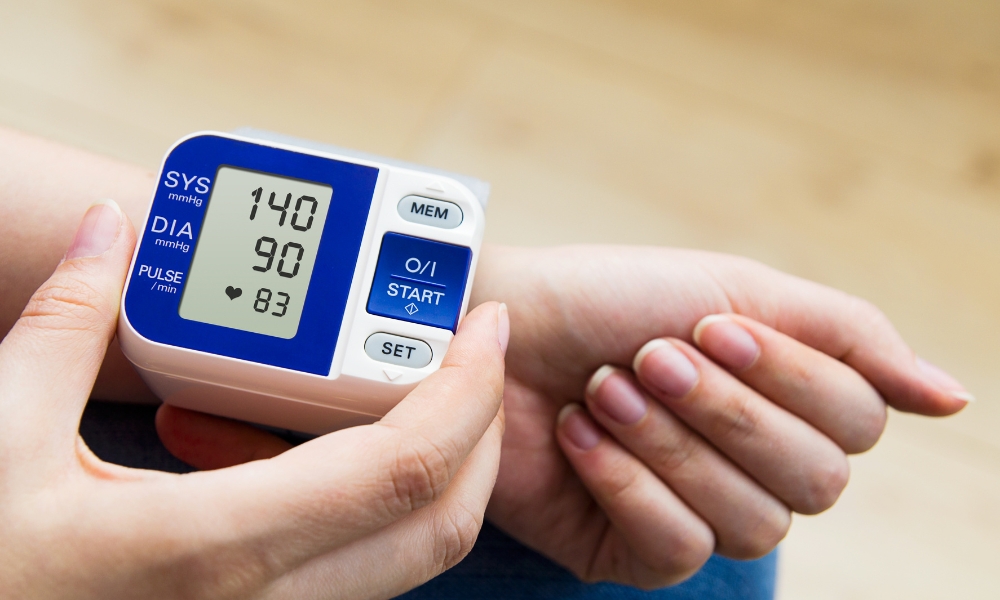
For example, if your monitor displays 118/76 mmHg, the systolic pressure is 118, while the diastolic pressure is 76.
Healthcare providers don’t simply look at whether one number appears “high.” Instead, they evaluate the overall pattern of your readings over time. They also consider whether you’re experiencing symptoms, have chronic health conditions such as diabetes or kidney disease, take medications that affect blood pressure, or have other cardiovascular risk factors.
Home blood pressure monitoring has become increasingly common, allowing patients to track readings between appointments. While this provides valuable information, it’s important to measure blood pressure correctly. Sitting quietly for several minutes, keeping your feet flat on the floor, supporting your arm at heart level, and avoiding caffeine or smoking shortly before checking your blood pressure all help improve accuracy.
Accurate readings allow your healthcare provider to determine whether your blood pressure is consistently within a healthy range or whether additional evaluation is needed.
Blood Pressure Categories Explained
Rather than labeling blood pressure as simply “good” or “bad,” healthcare professionals classify readings into several categories. These categories help determine whether lifestyle changes, routine monitoring, medication, or urgent medical evaluation may be appropriate.
In general:
- Normal: Less than 120/80 mmHg.
- Elevated: The systolic number is slightly above normal while the diastolic pressure remains below 80.
- Stage 1 Hypertension: Blood pressure is consistently above the normal range and should be evaluated by a healthcare provider.
- Stage 2 Hypertension: Higher readings that usually require medical treatment and close follow-up.
- Hypertensive Crisis: Extremely high readings—especially if accompanied by symptoms such as chest pain, severe headache, confusion, shortness of breath, or vision changes—require immediate medical attention.
It’s important to remember that these categories are only one part of the picture. Your age, medical history, family history, and overall cardiovascular risk all influence how your provider interprets your readings and recommends treatment.
Does One High Blood Pressure Reading Mean You Have Hypertension?
Not necessarily. One of the most common misconceptions is that a single elevated reading automatically means you have high blood pressure. In reality, blood pressure naturally changes throughout the day, and many temporary factors can cause it to rise for a short period of time.
For example, if you rushed into your appointment, drank a large cup of coffee, experienced emotional stress, exercised recently, or are dealing with pain or illness, your blood pressure may be temporarily higher than usual. Even feeling nervous during a doctor’s visit—a phenomenon often called “white coat hypertension”—can increase your numbers.
This is why healthcare providers rarely diagnose hypertension based on one reading alone. Instead, they look for a consistent pattern over multiple visits or through home blood pressure monitoring. If your readings remain elevated over time, additional evaluation and treatment may be recommended.
On the other hand, consistently ignoring repeated high readings because you “feel fine” can be risky. High blood pressure often develops without obvious symptoms, allowing damage to occur silently over many years.
If your home monitor repeatedly shows elevated numbers, schedule an evaluation rather than waiting until symptoms appear.
Why Does Blood Pressure Change Throughout the Day?
Your blood pressure isn’t meant to stay exactly the same every minute of the day. It naturally rises and falls depending on what your body is doing.
Blood pressure is typically lower while you’re sleeping because your heart is working less intensely. It gradually increases as you wake up and begin your daily activities. Physical exercise temporarily raises blood pressure because your muscles require more oxygen-rich blood. After you rest, your readings usually return closer to your normal baseline.
Emotional stress can also have a noticeable effect. During stressful situations, your body releases hormones like adrenaline that temporarily increase heart rate and blood pressure. Once the stressful event passes, these hormones decrease and blood pressure generally returns to normal.
Other factors that may temporarily influence your readings include:
- Caffeine or energy drinks
- Smoking or nicotine products
- Alcohol consumption
- Poor sleep
- Pain
- Certain medications
- Dehydration
- Cold temperatures
Because blood pressure fluctuates naturally, healthcare providers often recommend checking it at the same time each day when monitoring at home. This creates more reliable trends that help guide treatment decisions.
Important Note
Seeing one unexpected blood pressure reading can be alarming, but it doesn’t always indicate a medical emergency. Rather than focusing on a single number, pay attention to overall patterns and how you’re feeling. Consistently elevated readings deserve medical evaluation, even if you don’t have symptoms, because early treatment is often the most effective way to prevent long-term complications.
When Should You Visit a Primary Care Clinic for High Blood Pressure?
Not every elevated blood pressure reading requires an emergency room visit, but there are situations where a same-day evaluation at a Primary Care is appropriate. If your blood pressure is significantly higher than usual or you’re experiencing mild symptoms that concern you, being evaluated promptly can help determine the next steps.
You should consider visiting a walk-in clinic in Longview if you have:
- Repeated blood pressure readings that remain high over several hours.
- A new diagnosis of elevated blood pressure that hasn’t been evaluated.
- Mild headaches associated with elevated readings.
- Dizziness or lightheadedness without severe neurological symptoms.
- Questions about medication side effects or missed doses.
- Difficulty getting a timely appointment with your regular provider.
A Primary Care can assess your blood pressure, review your symptoms, evaluate possible causes, and determine whether additional testing or medication adjustments are necessary. In many cases, early evaluation prevents minor concerns from becoming more serious problems.
It’s important to remember that Primary Care complements—not replaces—ongoing primary care. Patients with hypertension benefit from regular monitoring and long-term management with a healthcare provider who understands their medical history.
When Is High Blood Pressure a Medical Emergency?
Some situations require immediate emergency medical care rather than a walk-in clinic appointment.
If your blood pressure is extremely elevated and accompanied by symptoms suggesting damage to the heart, brain, kidneys, or other organs, call 911 or go to the nearest emergency department immediately.
Emergency warning signs include:
- Severe chest pain.
- Difficulty breathing.
- Sudden weakness or numbness on one side of the body.
- Difficulty speaking or understanding speech.
- Sudden vision loss or double vision.
- Confusion.
- Loss of consciousness.
- A sudden, severe headache unlike anything you’ve experienced before.
These symptoms may indicate a hypertensive emergency, heart attack, stroke, or another life-threatening condition that requires immediate treatment. Waiting for symptoms to improve on their own can delay critical care.
When Should You Schedule a Routine Primary Care Appointment?
Many people discover elevated blood pressure during routine health screenings without experiencing any symptoms. If your readings are consistently above the normal range but you aren’t experiencing emergency warning signs, scheduling a primary care appointment is usually the best next step.
Your provider can evaluate your overall cardiovascular health, review your medications, discuss lifestyle factors, identify possible underlying causes, and develop a personalized treatment plan if needed.
Routine follow-up is especially important for individuals who have diabetes, kidney disease, high cholesterol, obesity, or a family history of hypertension. These conditions often occur together and benefit from coordinated long-term care.
At Texas Primary Care Associates, patients receive comprehensive evaluation through hypertension management services, helping identify risks early while developing treatment plans that fit each patient’s individual needs.
Simple Habits That Help Keep Blood Pressure Healthy
Managing blood pressure isn’t only about medication. Everyday habits play an important role in protecting your heart and reducing your risk of future cardiovascular disease.
Many patients successfully improve their blood pressure by combining healthy lifestyle changes with regular medical care.
- Eat more fruits, vegetables, whole grains, and lean proteins.
- Reduce sodium by limiting processed and packaged foods.
- Exercise regularly, aiming for at least 150 minutes each week.
- Maintain a healthy weight.
- Quit smoking and avoid tobacco products.
- Limit alcohol intake.
- Manage stress through relaxation techniques and adequate sleep.
- Take medications exactly as prescribed.
- Monitor your blood pressure consistently if recommended by your provider.
Regular preventive care visits also allow small changes in blood pressure to be detected before they lead to more serious complications.
Understanding Blood Pressure Readings in Longview, TX
Knowing what your blood pressure numbers mean empowers you to make informed healthcare decisions. Whether your readings are completely normal, slightly elevated, or consistently high, early evaluation is always better than waiting until symptoms develop.
At Texas Primary Care Associates, patients receive personalized care focused on prevention, routine screenings, chronic disease management, and timely evaluation of elevated blood pressure. From annual wellness visits to same-day concerns, having an experienced primary care team helps ensure your blood pressure is monitored appropriately over time.
Meet the Providers at Texas Primary Care Associates
Texas Primary Care Associates is committed to providing compassionate, patient-centered healthcare for individuals and families throughout Longview.
Gloria Montes, MSN, BSN, RN, FNP, provides comprehensive primary care with experience treating patients across all stages of life. Her focus on preventive medicine, chronic disease management, and patient education helps individuals better understand and manage conditions like hypertension.
Steven Thompson, M.D., is board-certified in Internal Medicine with decades of experience in emergency medicine and comprehensive adult healthcare. His extensive clinical background supports accurate diagnosis and long-term management of cardiovascular risk factors, including high blood pressure.
Frequently Asked Questions
What is considered a normal blood pressure reading?
For most adults, a blood pressure reading below 120/80 mmHg is considered normal. Your healthcare provider may recommend individualized goals depending on your age and medical history.
Can anxiety temporarily increase blood pressure?
Yes. Anxiety, emotional stress, and even nervousness during a medical appointment can temporarily raise blood pressure. This is one reason providers often repeat measurements before making treatment decisions.
Should I go to a walk-in clinic for one high blood pressure reading?
Not always. One isolated elevated reading doesn’t necessarily indicate hypertension. However, if repeated readings remain high or you’re experiencing concerning symptoms, a same-day evaluation at a walk-in clinic is appropriate.
How often should I check my blood pressure at home?
Your healthcare provider will recommend a schedule based on your health. Patients with hypertension are often advised to check it consistently at the same time each day.
Can lifestyle changes really lower blood pressure?
Yes. Healthy eating, regular exercise, weight management, limiting sodium, reducing stress, and avoiding tobacco can significantly improve blood pressure for many individuals.
Medical Disclaimer
This article is intended for educational purposes only and should not be used as a substitute for professional medical advice, diagnosis, or treatment. If you have concerns about your blood pressure or experience symptoms of a medical emergency, seek immediate medical care or call 911.