

Living with Type 2 diabetes isn’t just about checking your blood sugar or remembering to take medication. It’s a lifelong condition that affects many aspects of your health, from your heart and kidneys to your vision, nerves, and overall well-being. The good news is that with consistent medical care, healthy lifestyle choices, and regular monitoring, many people with Type 2 diabetes live active, healthy lives while reducing their risk of serious complications.
For many individuals, diabetes management can feel overwhelming at first. You may wonder what foods you should eat, how often you need blood work, whether your medications are working, or what symptoms should prompt a visit to your healthcare provider. Having a trusted primary care team can make all the difference by providing ongoing guidance, answering questions, and adjusting your care plan as your needs change.
At Texas Primary Care Associates in Longview, comprehensive diabetes care goes beyond simply treating high blood sugar. It focuses on understanding the whole person—your lifestyle, medical history, goals, and risk factors—to create a personalized treatment plan that supports your long-term health.
In this guide, we’ll explain what Type 2 diabetes is, why ongoing management is so important, how comprehensive primary care helps keep diabetes under control, and the preventive steps that can protect your health for years to come.
Important Note
Type 2 diabetes often develops gradually, and many people don’t realize how much it can affect the body until complications appear. Early diagnosis, regular follow-up appointments, and a personalized treatment plan can help keep blood sugar under control, reduce the risk of long-term complications, and improve your overall quality of life.
Table of Contents
- What Is Type 2 Diabetes?
- Why Long-Term Diabetes Management Matters
- How Comprehensive Primary Care Supports Diabetes Management
- Routine Blood Sugar Monitoring and A1C Testing
- Medication Management
- Lifestyle Counseling for Better Blood Sugar Control
- Preventive Screenings for Diabetes
- Preventing Long-Term Complications
- Comprehensive Diabetes Care in Longview, TX
- Frequently Asked Questions
What Is Type 2 Diabetes?
Type 2 diabetes is a chronic condition that affects the way your body processes glucose, the primary source of energy for your cells. Normally, the hormone insulin helps move glucose from your bloodstream into your cells, where it can be used for energy. With Type 2 diabetes, however, the body either becomes resistant to insulin or doesn’t produce enough insulin to keep blood sugar levels within a healthy range.
As a result, glucose begins to build up in the bloodstream. Over time, persistently high blood sugar can damage blood vessels, nerves, and vital organs throughout the body if it isn’t managed effectively.
Unlike Type 1 diabetes, which is an autoimmune condition, Type 2 diabetes often develops gradually over many years. Many people have prediabetes or insulin resistance long before they’re diagnosed. Because early symptoms can be subtle, some individuals don’t realize they have diabetes until routine blood work reveals elevated blood sugar levels or complications begin to appear.
Although there’s currently no cure for Type 2 diabetes, modern treatment approaches make it possible to successfully manage the condition and significantly reduce the risk of complications through comprehensive medical care.
Why Long-Term Diabetes Management Matters
One of the biggest misconceptions about Type 2 diabetes is that it’s only a “blood sugar problem.” In reality, diabetes affects nearly every system in the body. That’s why successful diabetes care involves much more than simply lowering glucose levels.
Consistently elevated blood sugar can gradually damage small and large blood vessels, increasing the risk of:
- Heart disease.
- Heart attack.
- Stroke.
- Kidney disease.
- Nerve damage (diabetic neuropathy).
- Vision loss and diabetic eye disease.
- Poor wound healing.
- Foot ulcers and infections.
The encouraging news is that maintaining healthy blood sugar levels, controlling blood pressure and cholesterol, and attending regular medical appointments can dramatically lower the likelihood of many of these complications. Every routine visit is an opportunity to evaluate your progress, identify concerns early, and make adjustments before small issues become larger health problems.
Diabetes management isn’t about perfection. Instead, it’s about making steady, sustainable improvements over time while working closely with your healthcare provider to keep your treatment plan aligned with your changing health needs.
How Comprehensive Primary Care Supports Diabetes Management
Managing Type 2 diabetes is rarely accomplished through medication alone. Because the condition affects multiple aspects of your health, comprehensive primary care plays a central role in helping you stay healthy over the long term.
Your primary care provider serves as the coordinator of your diabetes care, monitoring not only your blood sugar but also other important factors that influence your overall health. Rather than focusing on isolated symptoms, comprehensive care looks at the complete picture, including your medical history, family history, medications, lifestyle habits, weight, blood pressure, cholesterol levels, and personal health goals.
During routine visits, your provider may evaluate how well your current treatment plan is working, review your home blood sugar readings, discuss nutrition and physical activity, answer questions about medications, and screen for early signs of diabetes-related complications.
This ongoing relationship allows your care plan to evolve over time. As your health changes, medications may be adjusted, new lifestyle recommendations may be introduced, or additional preventive screenings may be recommended to help you stay ahead of potential problems.
At Texas Primary Care Associates, comprehensive Primary Care and specialized Diabetes Management services work together to provide continuous, personalized support for individuals living with Type 2 diabetes.
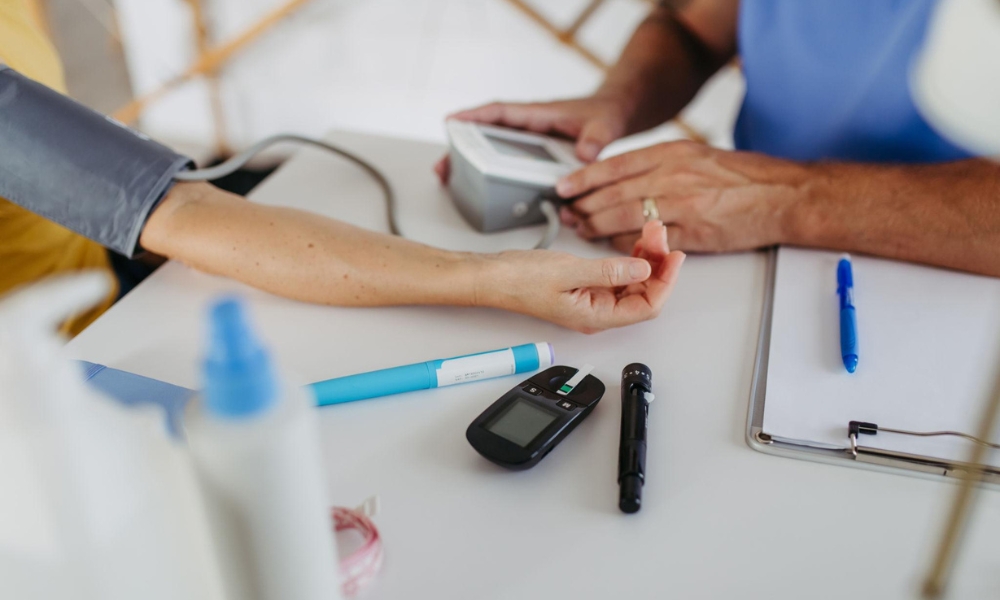
Routine Blood Sugar Monitoring and A1C Testing
One of the most important aspects of managing Type 2 diabetes is understanding how well your blood sugar is controlled over time. While you may feel perfectly fine, elevated glucose levels can quietly damage blood vessels and organs without causing noticeable symptoms. That’s why routine monitoring is such an essential part of long-term diabetes care.
Your healthcare provider may recommend checking your blood sugar at home, depending on your treatment plan, medications, and overall health. These readings provide valuable day-to-day information about how your body responds to meals, physical activity, stress, illness, and medication.
However, daily glucose checks tell only part of the story. Another important tool is the A1C test, sometimes called the hemoglobin A1C test. Unlike a single blood sugar reading, the A1C measures your average blood glucose level over approximately the previous two to three months.
Because it reflects long-term blood sugar control, the A1C helps your provider determine whether your current treatment plan is working effectively or if adjustments are needed. Many people with Type 2 diabetes have this test performed every three to six months, although the exact schedule depends on individual circumstances.
Regular monitoring also creates opportunities to celebrate progress. Even modest improvements in blood sugar control can significantly lower the risk of future complications.
Medication Management: Finding the Right Treatment Plan
There is no one-size-fits-all medication for Type 2 diabetes. Every person’s health history, blood sugar patterns, age, other medical conditions, and treatment goals are different. That’s why medication management is an ongoing process rather than a one-time decision.
Some individuals successfully manage diabetes with healthy lifestyle changes alone, particularly in the early stages of the condition. Others benefit from oral medications, injectable medications, insulin therapy, or a combination of treatments.
During routine follow-up appointments, your primary care provider reviews several important factors, including:
- Your current blood sugar levels.
- Recent A1C results.
- Any episodes of low blood sugar.
- Medication side effects.
- Changes in weight.
- Kidney and liver function.
- Other chronic health conditions.
If necessary, medications can be adjusted to improve blood sugar control while minimizing unwanted side effects. This ongoing evaluation helps ensure your treatment plan continues to meet your needs as your health changes over time.
It’s also important to take medications exactly as prescribed. If you have concerns about costs, side effects, or difficulty remembering doses, discuss them openly with your healthcare provider. In many cases, there are alternative options that may better fit your lifestyle.
Lifestyle Counseling: Small Changes Can Have a Big Impact
Medication is only one piece of successful diabetes management. Healthy daily habits play an equally important role in controlling blood sugar and protecting your long-term health. Rather than focusing on restrictive diets or unrealistic expectations, comprehensive primary care emphasizes practical, sustainable lifestyle changes that fit your individual needs.
One of the first topics discussed during diabetes visits is nutrition. Contrary to common misconceptions, people with Type 2 diabetes don’t have to eliminate all carbohydrates or completely avoid their favorite foods. Instead, the goal is to create balanced eating habits that help maintain steady blood sugar levels while supporting overall health.
Your provider may encourage:
- Eating more vegetables and high-fiber foods.
- Choosing whole grains instead of refined carbohydrates.
- Selecting lean protein sources.
- Limiting sugary drinks and highly processed foods.
- Paying attention to portion sizes.
- Eating meals on a consistent schedule.
These recommendations aren’t about perfection. Even gradual improvements in eating habits can lead to better blood sugar control over time.
The Importance of Physical Activity
Regular exercise helps your body use insulin more effectively, making it easier to regulate blood sugar levels. Physical activity also supports heart health, weight management, stress reduction, and overall well-being.
You don’t have to become an athlete to experience these benefits. Walking, swimming, cycling, gardening, dancing, and other enjoyable activities can all contribute to improved diabetes management.
Many adults benefit from aiming for at least 150 minutes of moderate physical activity each week, along with strength-building exercises several days per week. However, your healthcare provider can recommend an exercise plan that’s appropriate for your age, fitness level, and existing medical conditions.
Weight Management and Type 2 Diabetes
For individuals who are overweight or obese, even modest weight loss may improve insulin sensitivity and blood sugar control. In some cases, losing as little as 5% to 10% of body weight can produce meaningful health benefits.
Weight management isn’t about achieving a certain appearance—it’s about improving metabolic health, reducing stress on the body, and lowering the risk of diabetes-related complications. A personalized approach that combines healthy eating, regular activity, and ongoing medical support is often more successful than short-term dieting.
Patients interested in additional support may also benefit from medically supervised Weight Loss programs offered through Texas Primary Care Associates when appropriate.

Important Note
Managing Type 2 diabetes is a journey, not a test of perfection. Blood sugar levels may fluctuate due to stress, illness, medications, or everyday life. Regular follow-up appointments allow your healthcare provider to identify changes early, adjust your treatment plan when necessary, and help you stay focused on long-term health rather than short-term setbacks.
Building a Long-Term Partnership with Your Primary Care Provider
One of the greatest advantages of comprehensive primary care is continuity. Instead of receiving care only when problems arise, you’ll have a healthcare provider who understands your medical history, monitors your progress over time, and helps coordinate every aspect of your diabetes care.
This ongoing relationship makes it easier to detect small changes before they become significant health concerns. It also creates opportunities to discuss new symptoms, review medications, address lifestyle challenges, and celebrate milestones as your health improves.
Whether you’re newly diagnosed or have lived with Type 2 diabetes for many years, consistent follow-up care provides valuable guidance and reassurance throughout your health journey.
Preventive Screenings: Staying Ahead of Diabetes Complications
One of the greatest benefits of comprehensive primary care is that it focuses on prevention—not just treatment. Because Type 2 diabetes can affect many different organs over time, routine preventive screenings help identify potential problems before they become serious.
Even if you feel well, regular checkups allow your healthcare provider to monitor important aspects of your health and make adjustments to your care plan as needed. Early detection often leads to better outcomes and may help prevent complications altogether.
Depending on your individual health needs, your provider may recommend:
- Routine A1C testing to monitor long-term blood sugar control.
- Blood pressure checks at every visit.
- Cholesterol screenings.
- Kidney function tests.
- Urine tests to detect early kidney damage.
- Comprehensive foot examinations.
- Dilated eye examinations by an eye care specialist.
- Weight and body mass index (BMI) monitoring.
- Vaccinations to reduce the risk of preventable illnesses.
These screenings are an essential part of protecting your overall health and reducing the long-term impact of diabetes.
Preventing Long-Term Diabetes Complications
While complications from Type 2 diabetes can sound overwhelming, it’s important to remember that many are preventable with consistent medical care and healthy lifestyle habits. The goal of diabetes management isn’t simply to lower blood sugar—it’s to protect your entire body.
Protecting Your Heart
People with Type 2 diabetes have a higher risk of heart disease, heart attack, and stroke. Managing blood pressure, cholesterol, weight, and blood sugar together helps lower cardiovascular risk. Your primary care provider may recommend dietary changes, regular exercise, medications, and routine monitoring to support heart health.
Protecting Your Kidneys
Your kidneys work hard to filter waste from your blood, and high blood sugar can gradually damage these delicate structures over time. Routine blood and urine testing helps detect early signs of kidney disease, often before symptoms appear. Early intervention can slow or even prevent progression.
Caring for Your Eyes
Diabetes can affect the tiny blood vessels in the eyes, potentially leading to diabetic retinopathy and vision loss if left untreated. Annual comprehensive eye exams are one of the most effective ways to identify changes early, allowing treatment before permanent damage occurs.
Keeping Your Feet Healthy
Nerve damage and reduced circulation can make even small foot injuries more serious for people with diabetes. During routine visits, your healthcare provider may examine your feet for changes in sensation, circulation, skin health, and signs of infection. Checking your feet daily at home and wearing properly fitting shoes are also important preventive habits.
Supporting Emotional Well-Being
Managing a chronic condition can sometimes feel emotionally exhausting. Many people experience stress, frustration, or anxiety as they adjust to lifestyle changes or medication routines. Talking openly with your healthcare provider about emotional health is just as important as discussing physical symptoms. A supportive care team can help you find practical solutions and connect you with additional resources when needed.
When Should You Schedule a Diabetes Follow-Up Visit?
Regular follow-up appointments are one of the most effective ways to stay on top of your diabetes. Even if your blood sugar appears stable, routine visits allow your provider to monitor for subtle changes that may require attention.
You should consider scheduling an appointment if you:
- Have been newly diagnosed with Type 2 diabetes.
- Notice consistently high or low blood sugar readings.
- Experience increased thirst, frequent urination, or unexplained weight changes.
- Develop numbness or tingling in your hands or feet.
- Have wounds that heal slowly.
- Need medication adjustments or prescription refills.
- Are due for routine diabetes monitoring or preventive screenings.
Routine visits also provide an opportunity to discuss nutrition, physical activity, sleep, stress management, and any challenges you’re facing with your treatment plan. Diabetes care works best when it’s proactive rather than reactive.
Important Note
Managing Type 2 diabetes doesn’t mean you have to navigate every decision alone. Regular appointments with your primary care provider create opportunities to adjust treatment, answer questions, and address concerns before they develop into more serious health problems. Small, consistent steps often lead to meaningful long-term improvements.
Comprehensive Type 2 Diabetes Care at Texas Primary Care Associates in Longview, TX
At Texas Primary Care Associates, we believe successful diabetes management starts with personalized, ongoing care. Our team works closely with each patient to create an individualized treatment plan that focuses not only on blood sugar control but also on improving overall health and reducing the risk of future complications.
Our comprehensive approach includes Diabetes Management, routine monitoring, medication management, lifestyle counseling, preventive screenings, and long-term support. Because diabetes often affects multiple areas of health, we also provide comprehensive Primary Care, Preventative Care, and management of Chronic Conditions to help patients stay as healthy as possible.
Whether you’ve recently been diagnosed or have been living with Type 2 diabetes for years, our goal is to partner with you every step of the way—helping you better understand your condition, make informed decisions, and maintain the healthiest life possible.
To learn more about our services or schedule an appointment, visit our Services page or contact our office.
Meet Our Experienced Providers
Gloria Montes, MSN, BSN, RN, FNP, is a dedicated Family Nurse Practitioner who provides compassionate primary care for patients of all ages. She has extensive experience managing chronic conditions, including Type 2 diabetes, and works closely with patients to develop personalized treatment plans that emphasize prevention, education, and long-term wellness. Fluent in both English and Spanish, Gloria is committed to making quality healthcare accessible to the Longview community.
Steven Thompson, M.D., is board-certified in Internal Medicine and brings decades of clinical experience in emergency medicine and primary care. His comprehensive approach to chronic disease management helps patients better understand their health while receiving evidence-based care tailored to their individual needs.
Frequently Asked Questions
Can a primary care provider manage Type 2 diabetes?
Yes. Primary care providers play a central role in managing Type 2 diabetes by monitoring blood sugar, ordering routine laboratory tests, prescribing medications, providing lifestyle counseling, and coordinating preventive care.
How often should I have my A1C checked?
Many people with Type 2 diabetes have an A1C test every three to six months, although your healthcare provider may recommend a different schedule based on your individual treatment plan and blood sugar control.
Can Type 2 diabetes be managed without insulin?
Many individuals successfully manage Type 2 diabetes through healthy lifestyle changes, oral medications, or other non-insulin treatments. However, some people may require insulin depending on how the condition progresses and their overall health needs.
Why are regular diabetes checkups important?
Routine visits help monitor blood sugar control, evaluate medications, detect early signs of complications, and provide guidance on nutrition, physical activity, and other healthy lifestyle habits.
Can losing weight improve Type 2 diabetes?
For many people, achieving and maintaining a healthy weight can improve insulin sensitivity and blood sugar control. Even modest weight loss may provide meaningful health benefits when combined with medical care.
What preventive screenings do people with diabetes need?
Common preventive screenings include A1C testing, blood pressure monitoring, cholesterol checks, kidney function tests, eye exams, foot examinations, and routine physical exams to detect complications early.
When should I schedule a diabetes appointment?
You should schedule an appointment if you’re newly diagnosed, have persistent high or low blood sugar readings, experience new symptoms, need medication adjustments, or are due for routine diabetes monitoring and preventive screenings.