
High Blood Pressure Treatment in Longview, TX
Texas Primary Care Associates diagnoses and treats high blood pressure (hypertension) at 705 E Marshall Ave in Longview, TX. Care includes accurate blood pressure checks, home monitoring guidance, medication management and regular follow-up to lower your risk of heart attack, stroke and kidney disease. Walk in Monday–Friday, 8am–5pm.
Accepting new patients. Most major insurance, including BCBS, UnitedHealthcare, Medicare and Ambetter
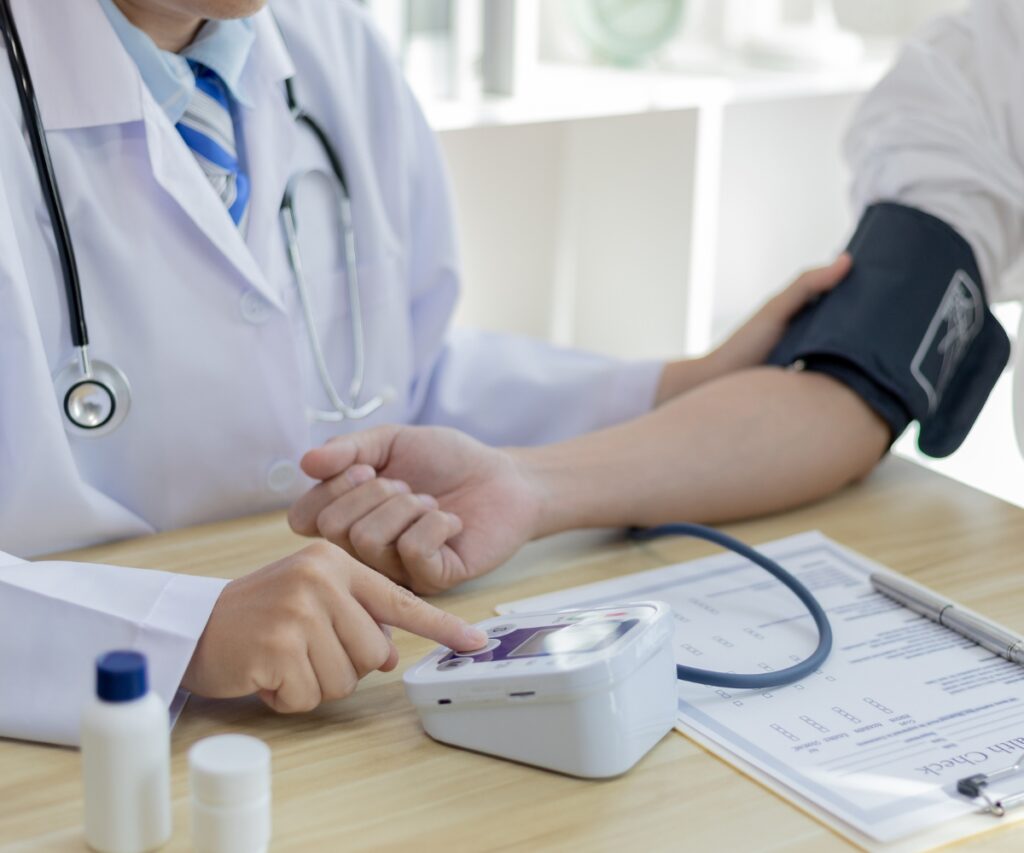
What is high blood pressure?
High blood pressure, or hypertension, means the force of blood against your artery walls stays too high. A reading has two numbers: systolic pressure (the top number, when your heart beats) and diastolic pressure (the bottom number, when your heart rests between beats). High blood pressure is diagnosed when readings stay at 130/80 mm Hg or higher on separate occasions.
Most people with high blood pressure feel fine, which is why it is called a silent condition. Over time it strains the heart, blood vessels, kidneys and eyes. Treatment at Texas Primary Care Associates focuses on bringing your numbers to a healthy range and keeping them there.
- Accurate readings taken the right way, plus home monitoring advice
- Lab tests to check your kidneys, blood sugar and cholesterol
- Medicines started, adjusted and refilled as needed
- Lifestyle steps that lower blood pressure

High blood pressure services in Longview
Everything you need to diagnose and control high blood pressure is handled by one primary care team.
Blood pressure checks
Quick checks during any visit, with repeat readings to confirm a diagnosis.
Reading your numbersHome monitoring
Advice on choosing a cuff and taking accurate readings at home between visits.
Managing high BPMedication management
Choosing the right medicine and dose, managing side effects and refilling prescriptions.
Med checksLab work
Kidney function, blood sugar and cholesterol tests to check your overall heart risk.
Kidney disease signsLifestyle coaching
Practical steps on salt, food, activity, alcohol and weight that lower blood pressure.
Heart-healthy foodsRelated conditions
Diabetes and high cholesterol are managed together with your blood pressure.
Chronic disease careHow high blood pressure care works
Controlling blood pressure is a step-by-step process that your provider adjusts over time.
Confirm the diagnosis
Your provider takes several readings, often with home or repeat readings, before diagnosing high blood pressure.
Check your overall risk
Lab tests and a health review look at your heart, kidneys, blood sugar and cholesterol.
Start a plan
Lifestyle changes, plus medicine when your numbers or risk call for it.
Follow up until controlled
Visits continue, often monthly at first, until your blood pressure reaches your goal, then less often.
What do blood pressure numbers mean?
These are the American Heart Association categories for adults. Your provider uses several readings, not just one, to decide on treatment.
| Top number (systolic) | Bottom number (diastolic) | What it usually means | |
|---|---|---|---|
| Normal | Less than 120 | and less than 80 | Keep up healthy habits and check yearly |
| Elevated | 120 to 129 | and less than 80 | Lifestyle changes to prevent high blood pressure |
| Stage 1 high | 130 to 139 | or 80 to 89 | Lifestyle changes; medicine depending on your heart risk |
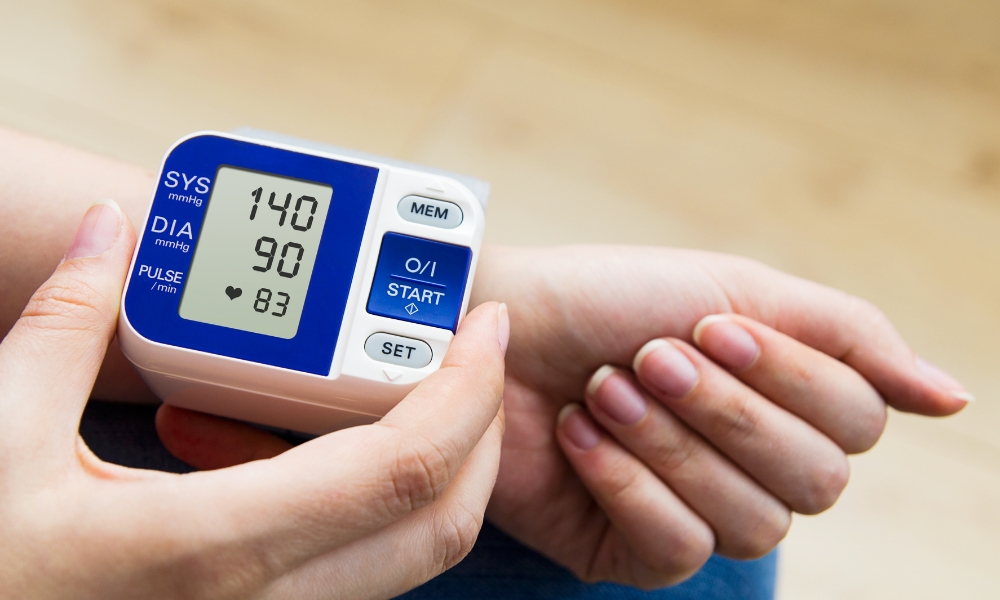
| Stage 2 high | 140 or higher | or 90 or higher | Lifestyle changes and usually medicine |
| Severe | Higher than 180 | and/or higher than 120 | Recheck after 5 minutes and call your provider; call 911 if you have symptoms |
Controlling high blood pressure for the long term
High blood pressure is one of the most common conditions treated in primary care, and one of the most treatable. Lowering your blood pressure reduces your risk of heart attack, stroke, heart failure and kidney disease. Most people need a combination of lifestyle changes and, often, one or more medicines.
Lifestyle changes that lower blood pressure
- Eat less salt (sodium), especially from packaged and restaurant foods
- Eat more vegetables, fruits, whole grains and low-fat dairy
- Be active most days of the week
- Lose weight if you have overweight, since even a small loss helps
- Limit alcohol and do not smoke
- Get enough sleep and find ways to manage stress
How to take an accurate reading at home
- Use an upper-arm cuff that fits your arm
- Avoid caffeine, exercise and smoking for 30 minutes before
- Sit quietly for 5 minutes with your back supported and feet flat
- Rest your arm on a table at heart level
- Take two readings a minute apart and write them down
- Bring your log or your monitor to your visit
About blood pressure medicines
Common blood pressure medicines include ACE inhibitors, ARBs, calcium channel blockers and diuretics (water pills). Many people need more than one. Keep taking your medicine even when you feel fine, and tell your provider about side effects such as dizziness, swelling or a cough so your treatment can be adjusted.
Insurance and cost
Texas Primary Care Associates accepts most major insurance plans, including Blue Cross Blue Shield, UnitedHealthcare, Medicare and Ambetter. Blood pressure visits and lab work are usually covered with a copay or deductible. See insurance accepted or call to verify coverage.
Explore related care at our clinic
- Understanding blood pressure readings
- Managing high blood pressure
- Cholesterol-lowering foods
- Early signs of kidney disease
- Headache types
- Chronic disease care
- Diabetes management
- Med checks & refills
Sources
- Understanding Blood Pressure Readings, American Heart Association
- Home Blood Pressure Monitoring, American Heart Association
- High Blood Pressure: Treatment, National Heart, Lung, and Blood Institute (NHLBI)
- Hypertension in Adults: Screening, U.S. Preventive Services Task Force
- High Blood Pressure, MedlinePlus, U.S. National Library of Medicine
Last updated October 9, 2026 by Texas Primary Care Associates.
Your blood pressure care team in Longview
The same providers check your readings over time and adjust your treatment until your blood pressure is under control.

Gloria Montes
Provides primary care for adults, adolescents and children, with a focus on preventive care and chronic disease management.
NPI 1992375646

Steven Thompson, M.D.
Graduate of New York Medical College, caring for adults with acute illnesses and long-term conditions.
“Everyone at this office is always helpful and kind. They’re quick and efficient as well. I’ve never had to wait more than a few minutes to be seen.”
Holly Foster, Google review. Read more reviewsWhen to call 911 for high blood pressure
If your blood pressure is higher than 180/120 and you have any of these symptoms, call 911:
- Chest pain
- Back pain
- Numbness or weakness
- Change in vision
- Difficulty speaking
- Shortness of breath
Warning signs based on American Heart Association: When To Call 911 About High Blood Pressure.
Blood pressure questions we hear most
Quick answers about high blood pressure care in Longview.
Still have questions?
Our front desk can answer questions about visits and confirm your insurance before you come in.
Call (903) 230-9811What blood pressure is considered high?
High blood pressure is a reading that stays at 130/80 mm Hg or higher. Readings of 120 to 129 over less than 80 are called elevated. Your provider uses several readings before making a diagnosis.
Can I walk in for a blood pressure check?
Yes. Walk-ins are welcome Monday through Friday, 8am to 5pm, at 705 E Marshall Ave in Longview. Your blood pressure is also checked at every visit.
Does high blood pressure have symptoms?
Usually not. Most people with high blood pressure feel fine, which is why regular checks matter. Very high blood pressure can cause headaches, chest pain or vision changes and needs urgent care.
Will I need medicine for high blood pressure?
Not always. Elevated blood pressure and some stage 1 high blood pressure can be treated with lifestyle changes first. Many people with stage 2 high blood pressure, or with higher heart risk, need medicine.
Can I stop my blood pressure medicine once my numbers are normal?
Do not stop on your own. Normal readings usually mean the medicine is working. Talk to your provider, who may adjust your dose if your readings stay low.
Should I check my blood pressure at home?
Yes, for most people with high blood pressure. Home readings help confirm a diagnosis and show how well treatment works. Bring your log or monitor to your visits.
What insurance do you accept?
The clinic accepts most major insurance plans, including Blue Cross Blue Shield, UnitedHealthcare, Medicare and Ambetter. Call (903) 230-9811 to verify your coverage.
I feel nervous at the doctor and my reading goes up. What should I do?
Tell the staff. Sitting quietly for a few minutes before a recheck helps, and home readings can show your usual blood pressure outside the office.
Visit our Longview clinic for blood pressure care
Texas Primary Care Associates
705 E Marshall Ave, Suite 3001, Medical Building Plaza #3
Longview, TX 75601
- Mon–Fri
- 8:00am – 5:00pm (walk-ins welcome)
- Sat–Sun
- Closed
- Phone
- (903) 230-9811
- Fax
- (903) 653-1431
Rated 4.7 out of 5 on Google. View on Google Maps
Request an appointment
Send your details and our team will call you to confirm a time.
Please do not include detailed medical information. For emergencies, call 911.
Get your blood pressure under control
Texas Primary Care Associates treats high blood pressure Monday–Friday, 8am–5pm, at 705 E Marshall Ave in Longview. Walk in or call to schedule.